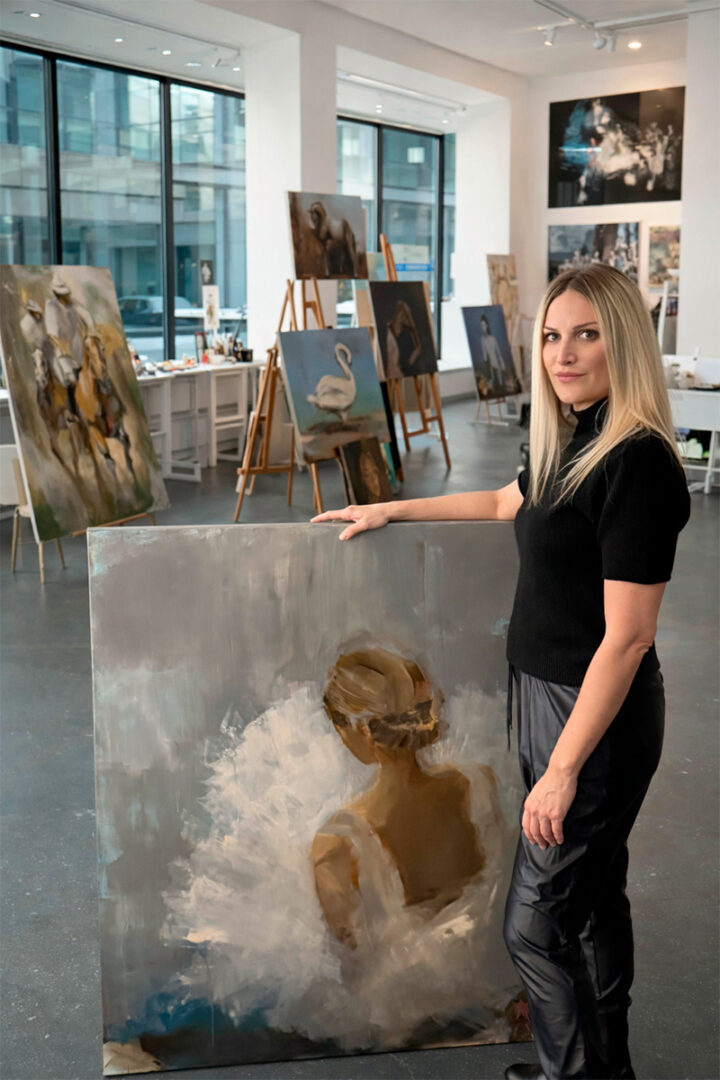
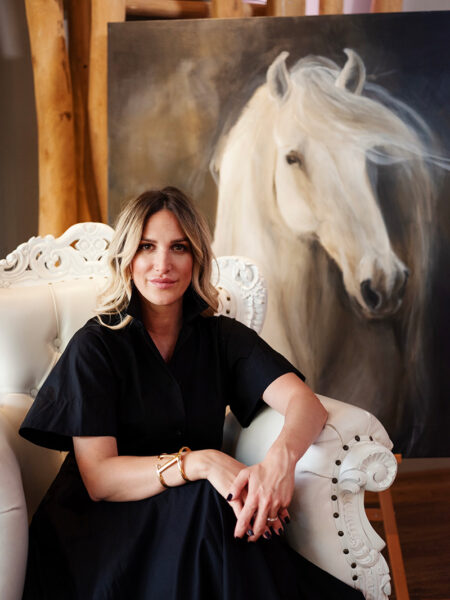

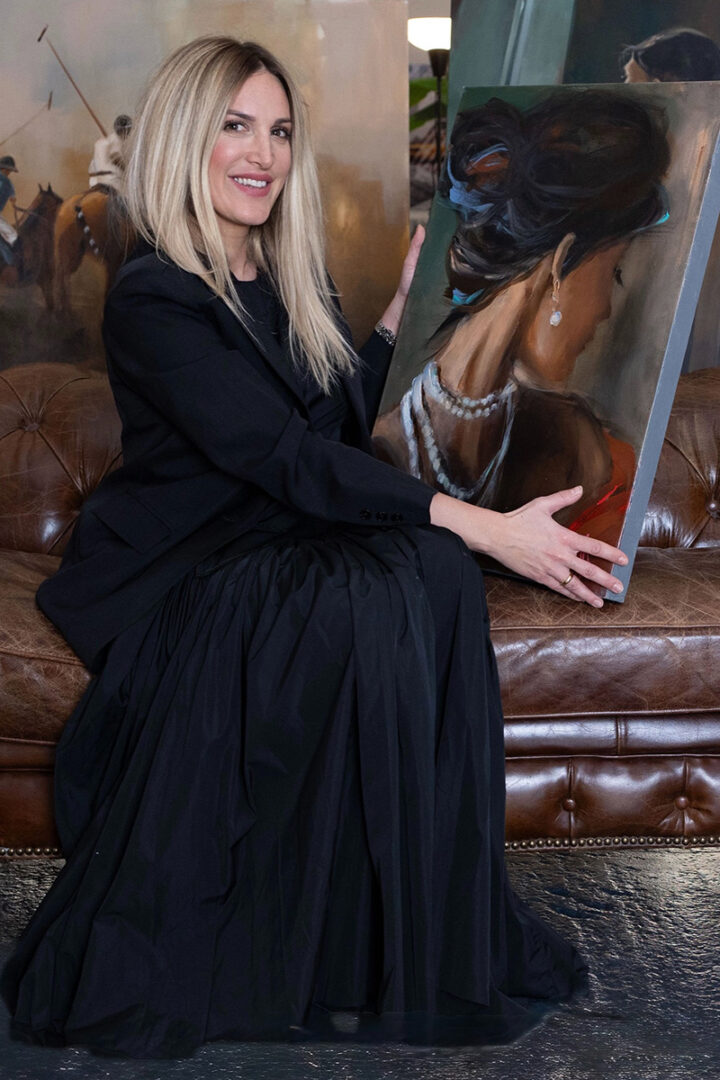
The life of Tamara Andjus (Zurich, 1982) is a testament to the pursuit of authenticity. With a solid academic background—holding both a Bachelor’s and a Master’s degree in Law—she decided to trade legal codes for the freedom of color and movement. The work of the Swiss artist is defined by an abstract figurative style where the brush, rather than merely tracing, dances across the canvas.
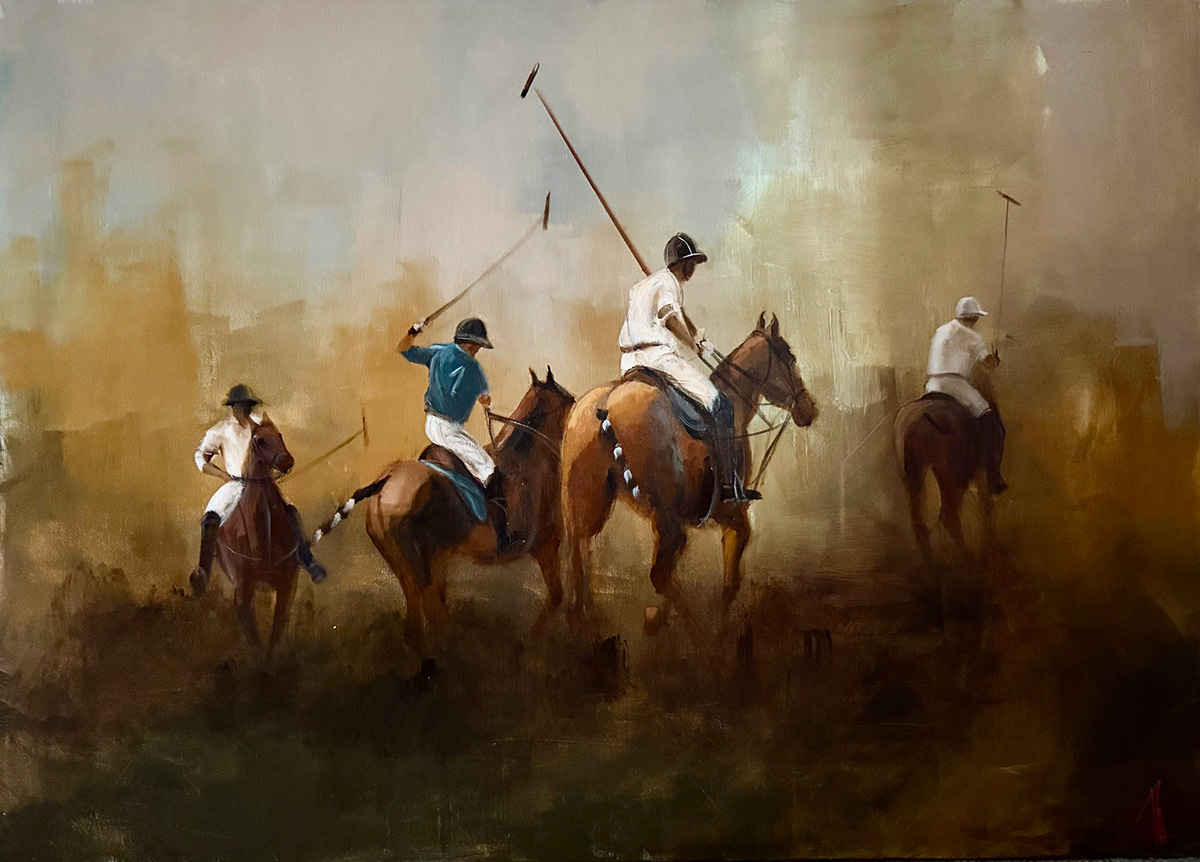
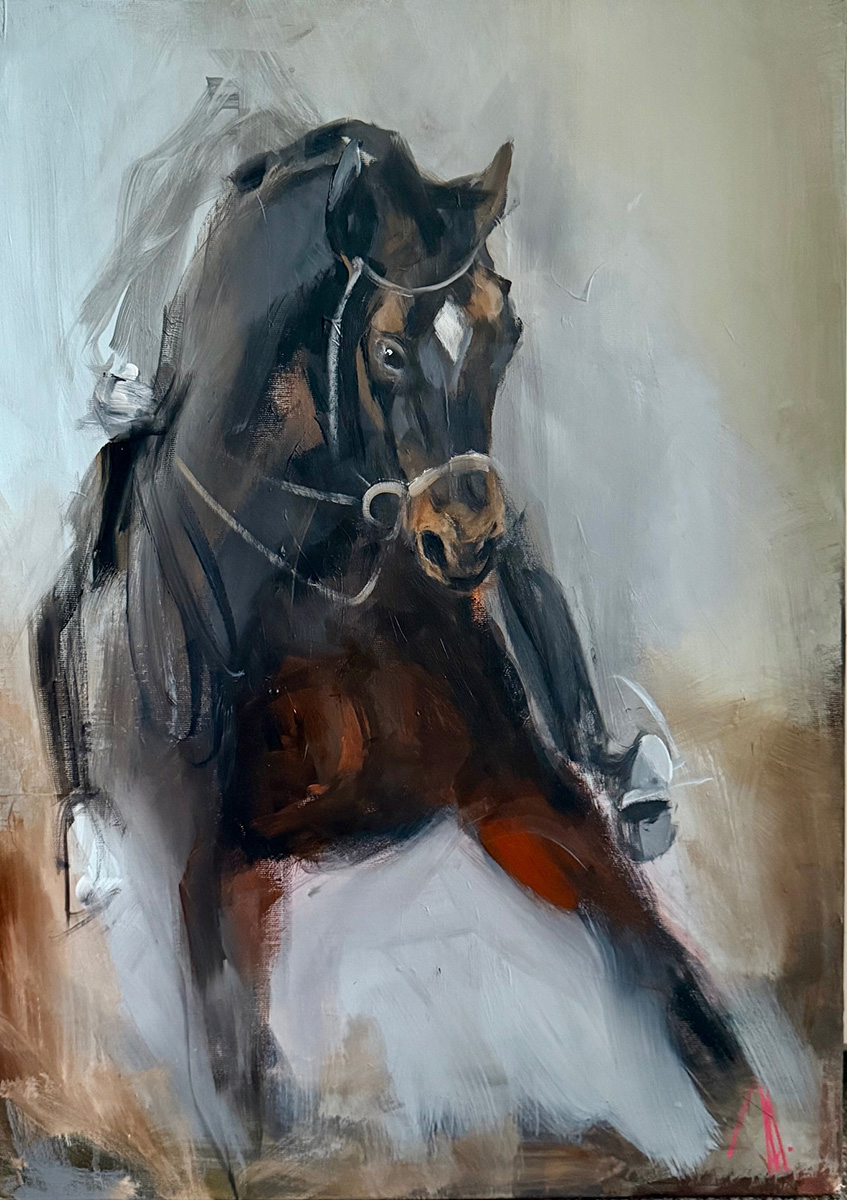
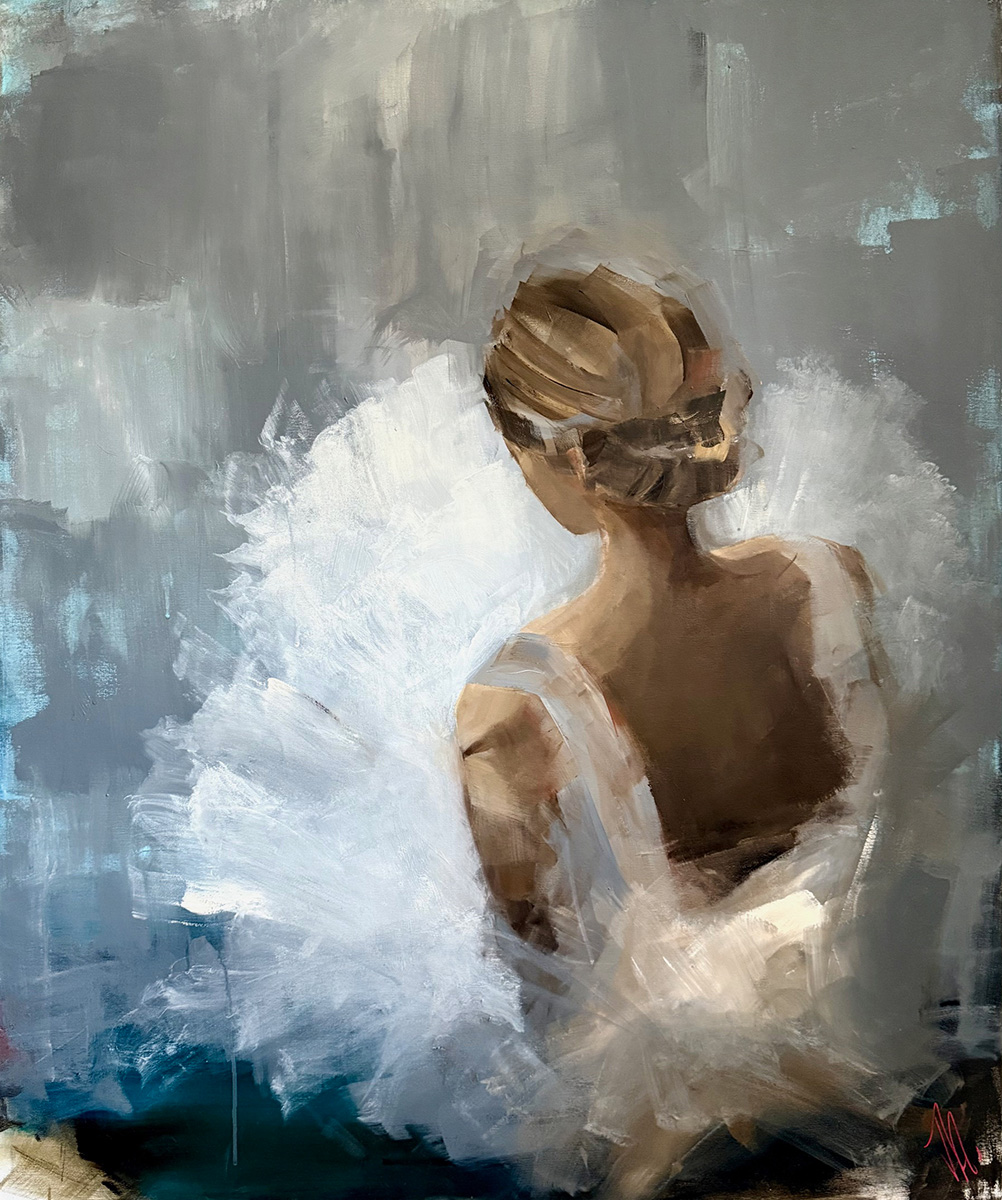
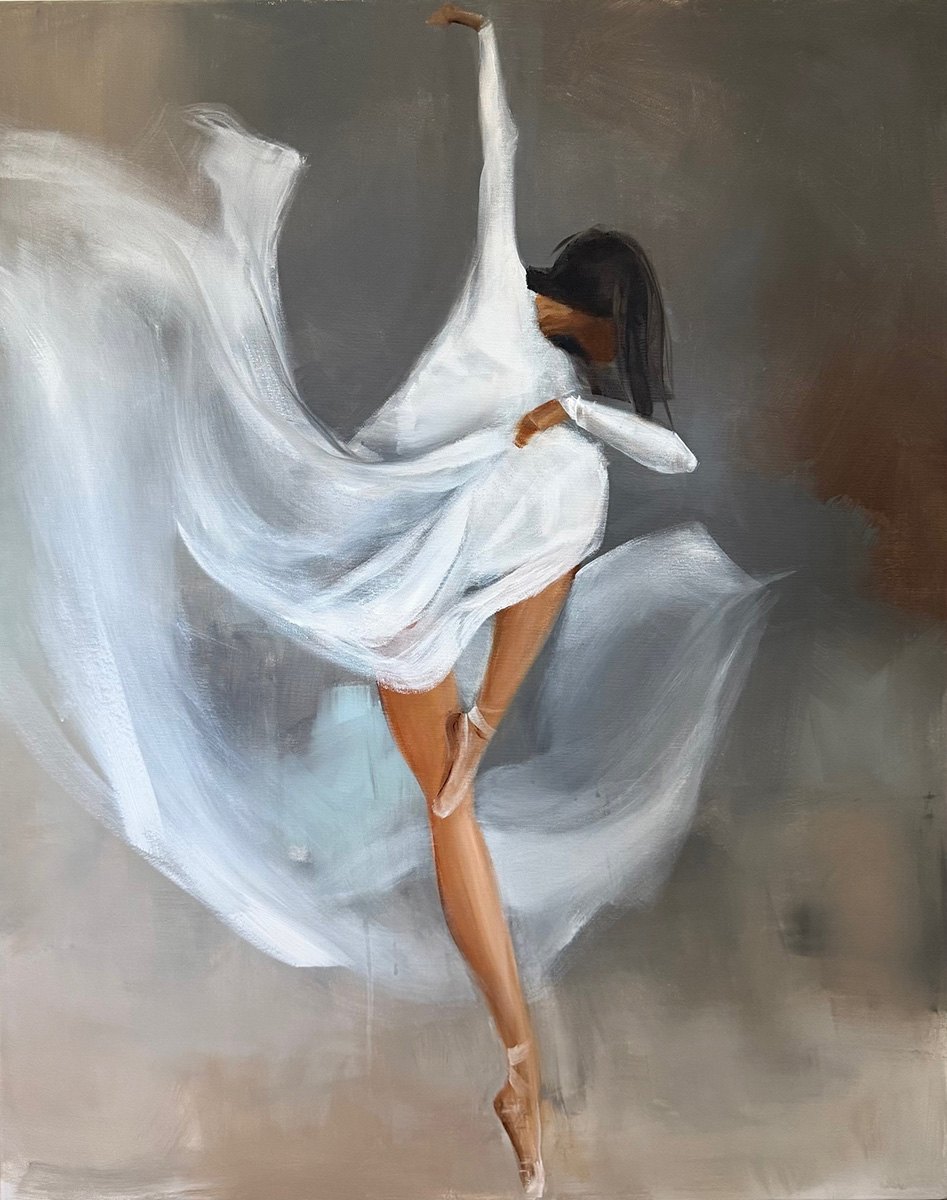
Andjus’s creations, which capture everything from the majesty of horses to the delicacy of ballet dancers, are the result of a purely emotional process. Tamara paints without preparatory sketches, allowing intuition to guide every stroke of acrylic or oil in a constant search for vibrant atmospheres. In her international career, she has made stops in cities like New York and Dubai, while also serving as a curator and mentor for young talent in Swiss schools.
Tamara, how does the mind adapt to transition between territories as disparate as the orthodoxy and pragmatism of the law and the freedom and extroversion of art—moving from the ethical to the purely aesthetic?
For me, the transition was less a rupture and more an evolution. Law trained my discipline, my analytical thinking, and my sensitivity to structure and responsibility. Art, on the other hand, became the space where intuition, emotion, and freedom could breathe. Interestingly, both worlds share a search for truth—law through logic and ethics, art through expression and perception. Rather than opposing forces, they became complementary languages in my life.
Your style is defined as “abstract figurative,” full of movement and dynamic brushstrokes. For someone seeking to capture the essence of animals and people with such emotional intensity, is the painting finished when it looks good or when it “feels” a specific way?
Always when it feels right. A painting can be visually balanced yet emotionally incomplete. I work very much from sensation—there is a moment when the energy, rhythm, and atmosphere align. It’s almost physical. That is when I know the piece has reached its natural conclusion.
The fact that you usually work without sketches, throwing yourself onto a canvas without a parachute—does it produce vertigo, adrenaline?
Both—and that is exactly the point. Painting without sketches keeps the process alive and honest. There is risk, but also discovery. The canvas becomes a dialogue rather than an execution of a plan. That unpredictability is where movement and vitality emerge.
You have exhibited in cities with energies as different as New York, Rome, Dubai, and Barcelona. To what extent have these experiences “seasoned” your works?
Travel deeply influences my work. Each city leaves an emotional residue—New York’s intensity, Rome’s history, Dubai’s contrasts, Barcelona’s light and rhythm. These impressions don’t translate literally but seep into color choices, gestures, and atmosphere. They expand my internal visual vocabulary.
Your works often reinterpret classic themes: horses, dancers, geishas… What do you find in those traditional motifs that allows you to give them that contemporary twist?
Classic themes are timeless because they carry archetypal energy—strength, grace, mystery, movement. My goal is not to reproduce them but to reinterpret their emotional core. Through abstraction, gesture, and color, they become less about representation and more about sensation.
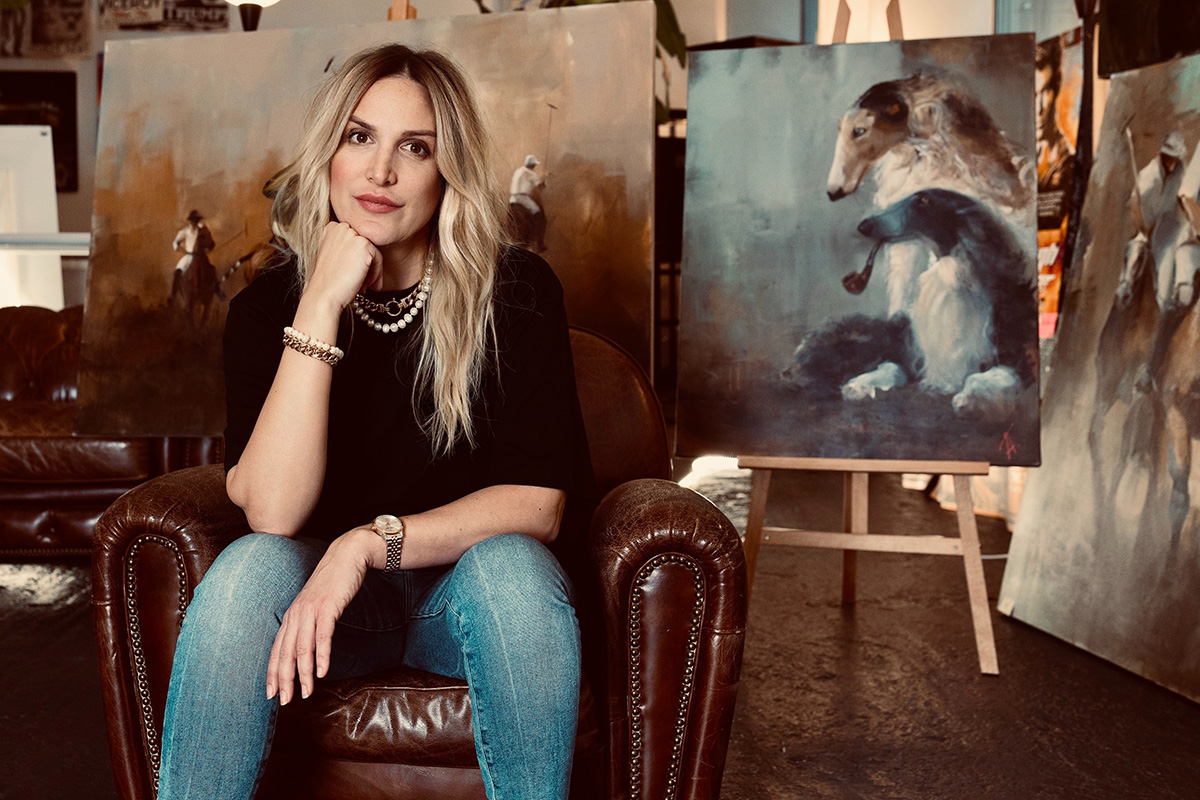
Represented by prestigious galleries such as Fame Gallery in Zurich and Steiner in Vienna, how do you balance your commercial career with the need to keep your studio a sanctuary for experimentation?
By protecting the studio fiercely. The professional side of art is important, but creation must remain free from external pressure. I allow myself periods of pure exploration—no expectations, no deadlines. That freedom ultimately nourishes everything else, including the commercial work.
In addition to painting, you organize exhibitions for other artists in Switzerland and work with children in schools. Tell us about that experience.
Supporting other artists and working with children are deeply fulfilling aspects of my journey. Curating exhibitions allows me to build bridges and create opportunities. Working with children reconnects me with the raw joy of creativity—they remind us that art begins with curiosity, not perfection.
You actively collaborate with humanitarian causes and donate works. Could we say that Tamara Andjus is, in herself, a comprehensive artistic experience?
Art, for me, is inseparable from human connection. If my work can contribute beyond aesthetics—by helping, inspiring, or supporting others—then it fulfills a deeper purpose. So yes, I see art as something that lives both on and beyond the canvas.
You won your first art award at four years old. What would the professional Tamara of today say to that little girl?
“Keep going. Protect your imagination. One day, this joy you feel with colors will become your voice.”
And finally, what do you say to the collectors who follow the Tartget Prize? What does it mean to have a Tamara painting hanging on their walls?
It means sharing energy. My paintings are created to evoke movement, emotion, and atmosphere. When someone lives with one of my works, it becomes part of their daily environment, their personal story. That connection between artist and collector is something I value deeply.