Texts: Ismael Terriza
Photographs: José Luis Sánchez-Montañés, Juan Francisco Gómez Cambronero, Sergei Gusev, Phil Irish, Ismael Terriza and Casa de la Duquesa
And yet, even that would not be enough to create a work capable of summarizing why and how a Biosphere Reserve has never received enough care to guarantee its recovery, or at least its battered survival. The International Residency sought to ensure that the brushes of the four participating artists were loaded with dense oils, infused with the history that for centuries has shaped the lives of those who have lived around the National Park, a symbol of the Wetlands of La Mancha that once were.
4 artists and 12 days
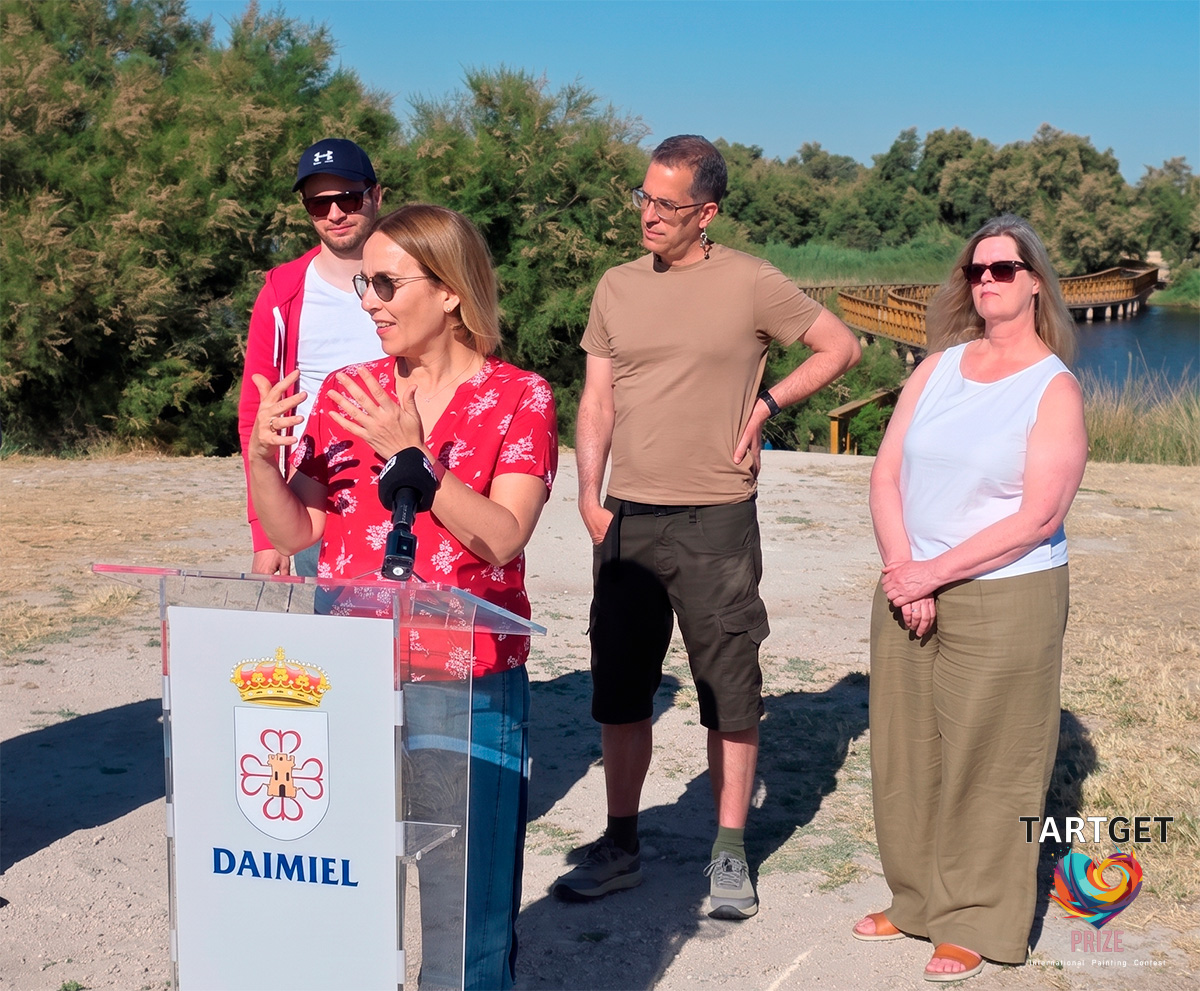
“Art and Nature: Las Tablas de Daimiel” was an initiative promoted by TARTGET PRIZE together with the Directorate-General for the Natural Environment and Biodiversity of the Regional Government of Castilla-La Mancha, with the support of the Autonomous National Parks Agency.
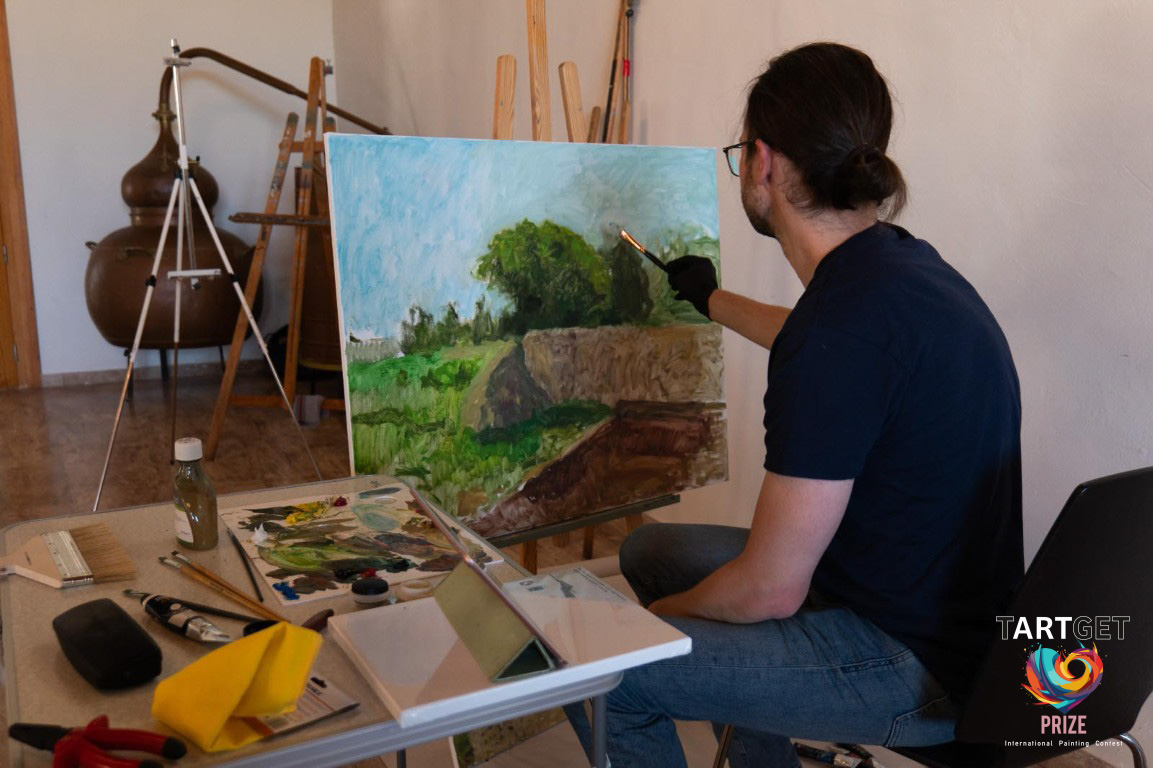
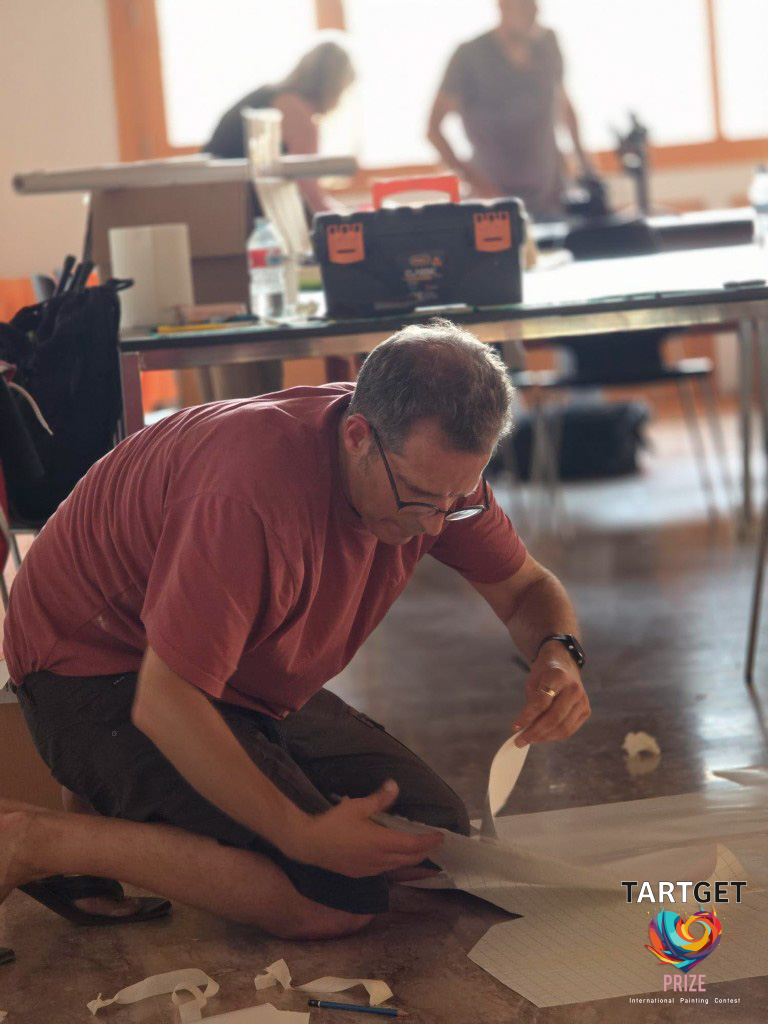
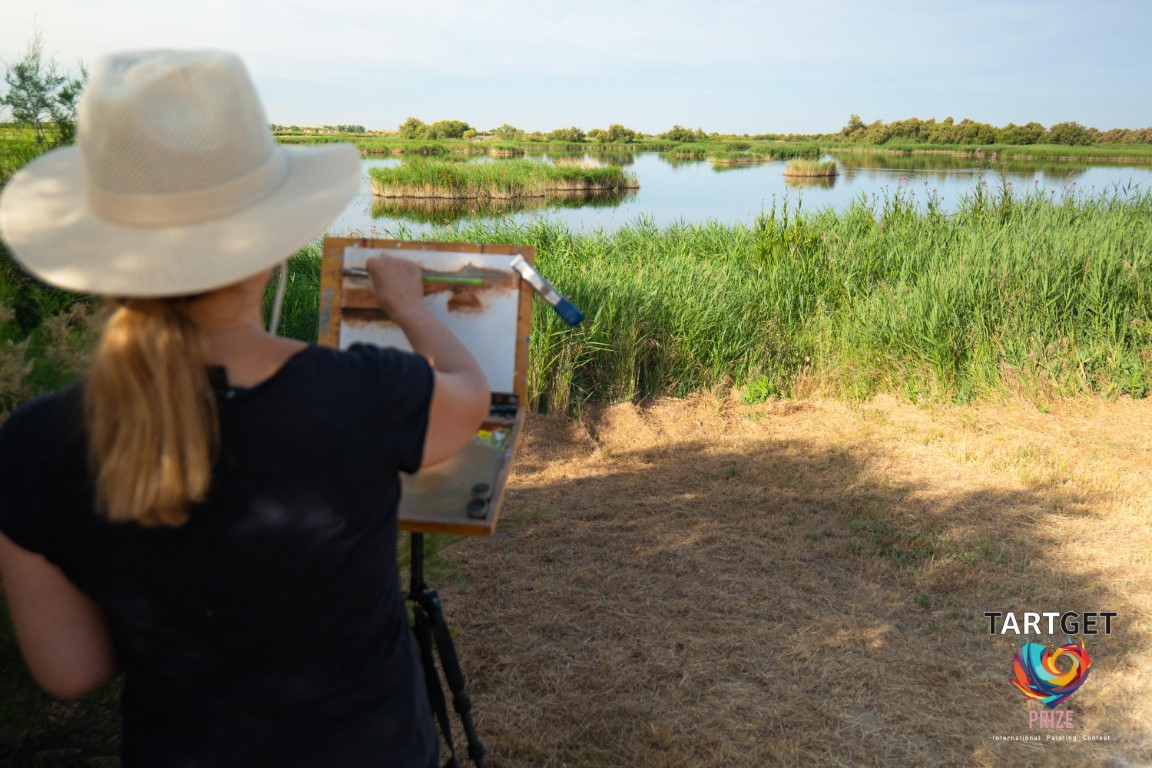
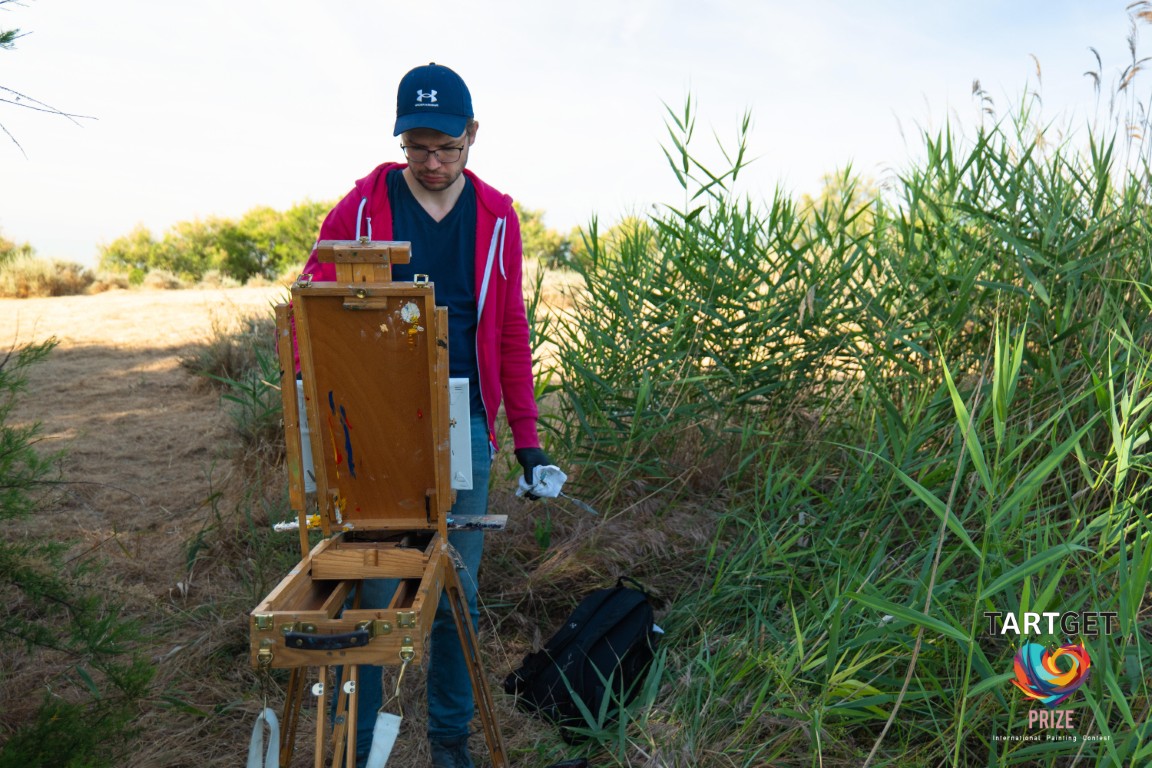
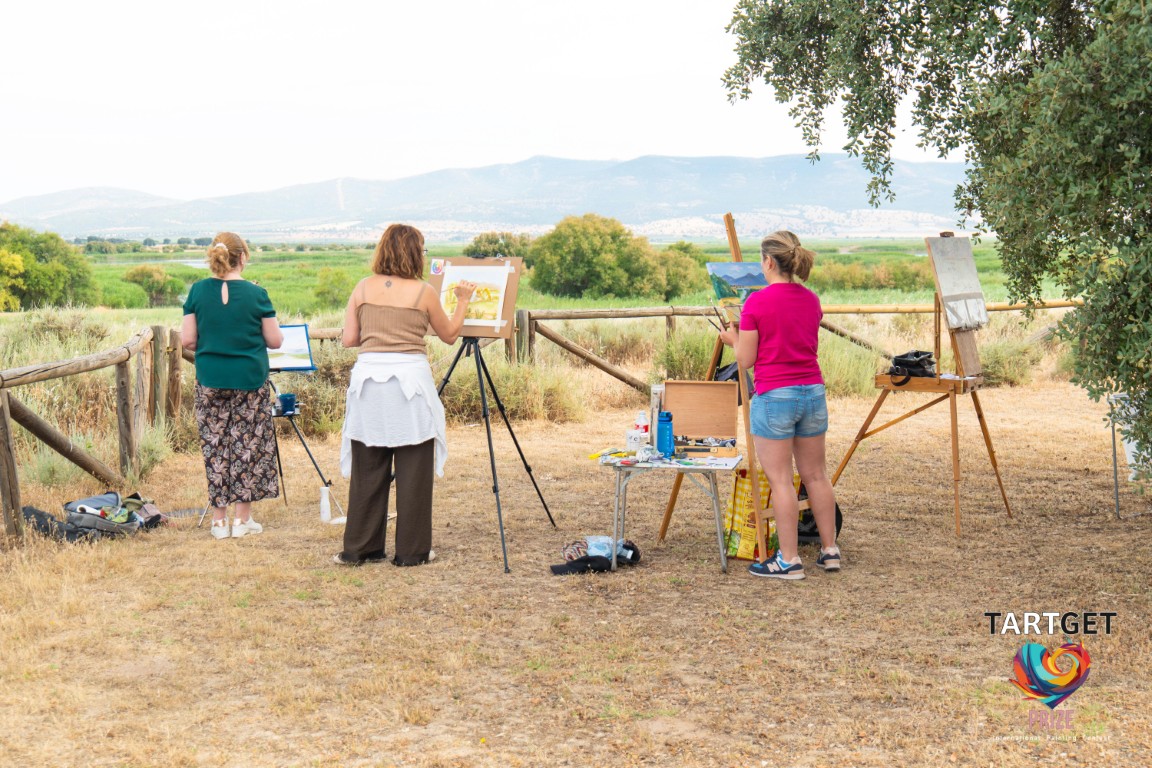
For twelve days, four artists from four different countries shared a single studio overlooking the landscape. They arrived in Daimiel not merely to reproduce a beautiful setting, but to investigate it, understand it, interpret it and transform it into a pictorial project.
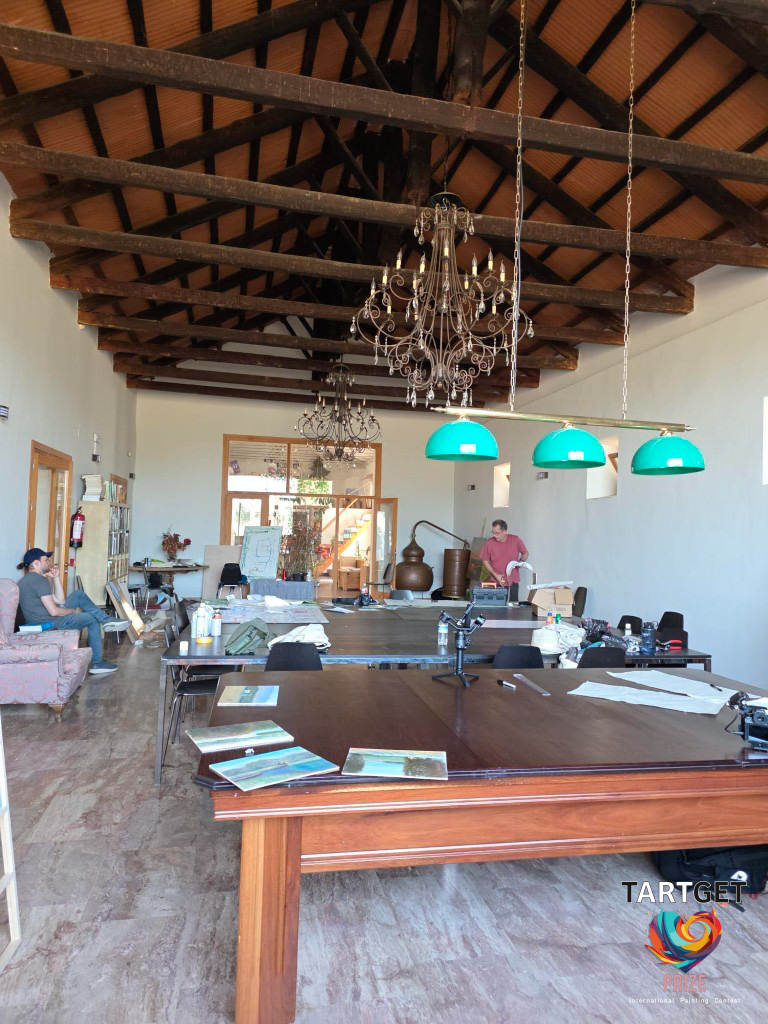
The Artist Residency was conceived to place contemporary creators at the service of natural beauty. Its aim was to generate awareness and foster dialogue about the future of these threatened environments.
The TARTGET PRIZE organization reviewed 500 applications from artists who had submitted works to the international competition before May 2nd. The competition itself will culminate on September 18th at the Ateneo de Madrid.
In this sense, the Artist Residency was an award granted and enjoyed in advance, enabling the selected artists to travel to Las Tablas de Daimiel at the end of the spring breeding season and just before the harsh conditions of summer.
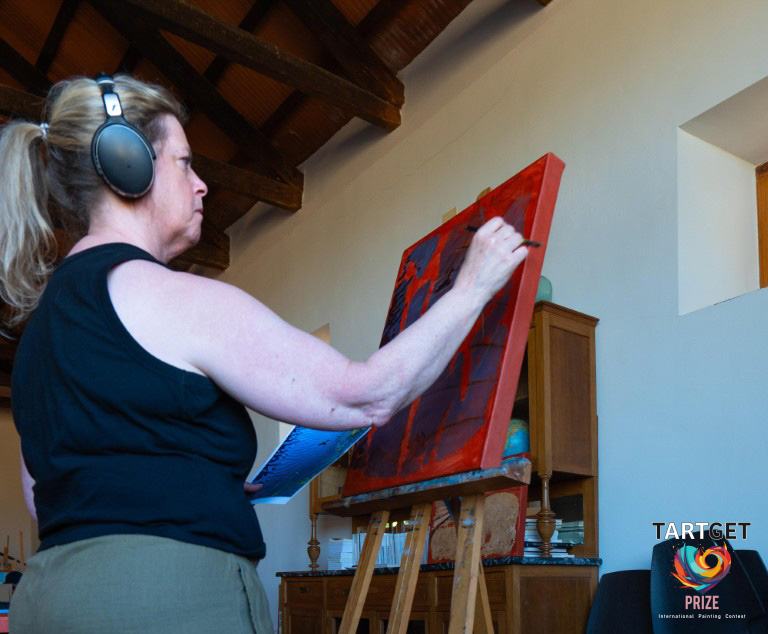
The selected artists emerged from a final group of twelve candidates, all of whom possessed the artistic quality and professional trajectory required for the program. Those ultimately chosen were Sergei Gusev, a Russian artist living in Denmark; Phil Irish from Canada; Deborah Scott from the United States; and Spanish artist Elsa González Zorn.
Special mention should also be made of three world-class artists who expressed their willingness to travel to La Mancha: the young Bulgarian painter Lyubena Fox, the outstanding Iranian pastel artist Maryam Fardinfard, and Taiwanese artist Ho Fangyun, all recipients of awards at the ARC Salon in New York.
The final selection was based on technical mastery, proficiency in plein air painting, and previous participation in similar artistic experiences.
Immersion in the landscape
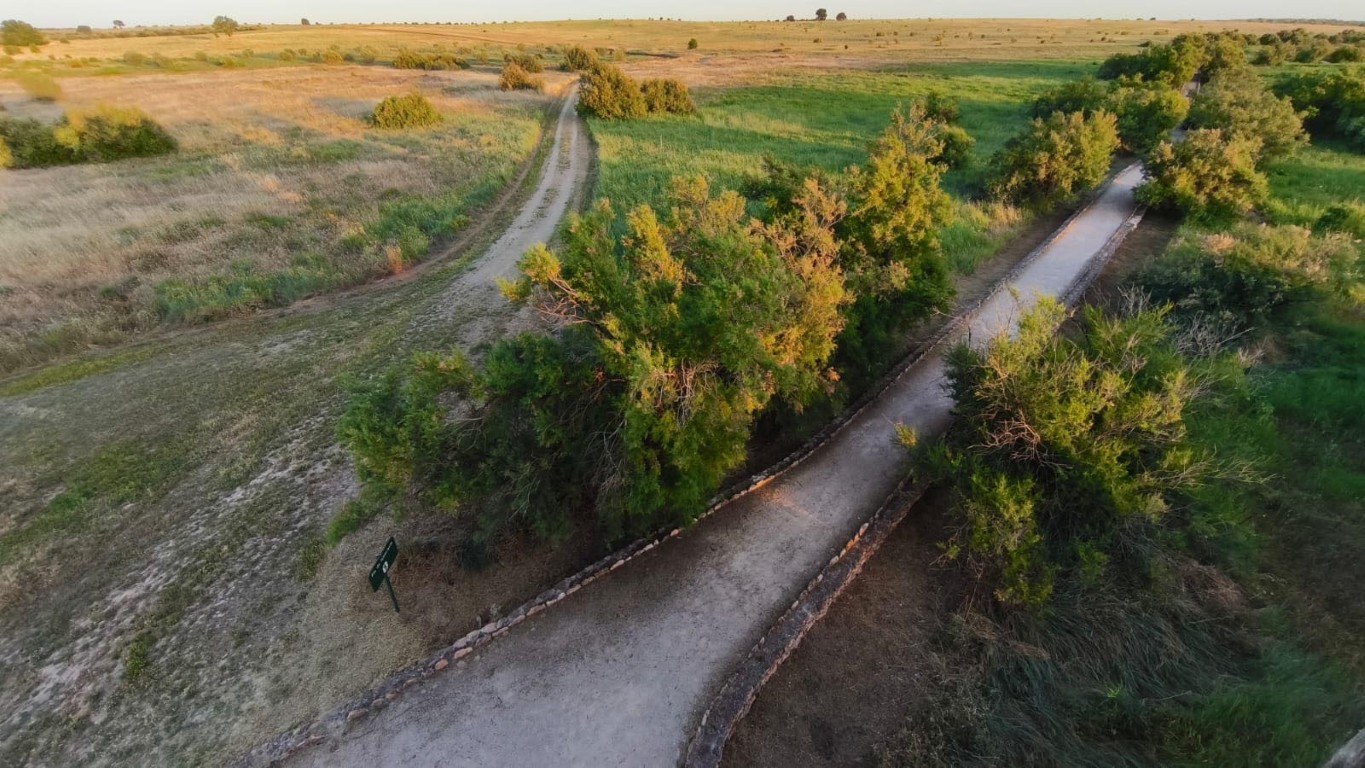
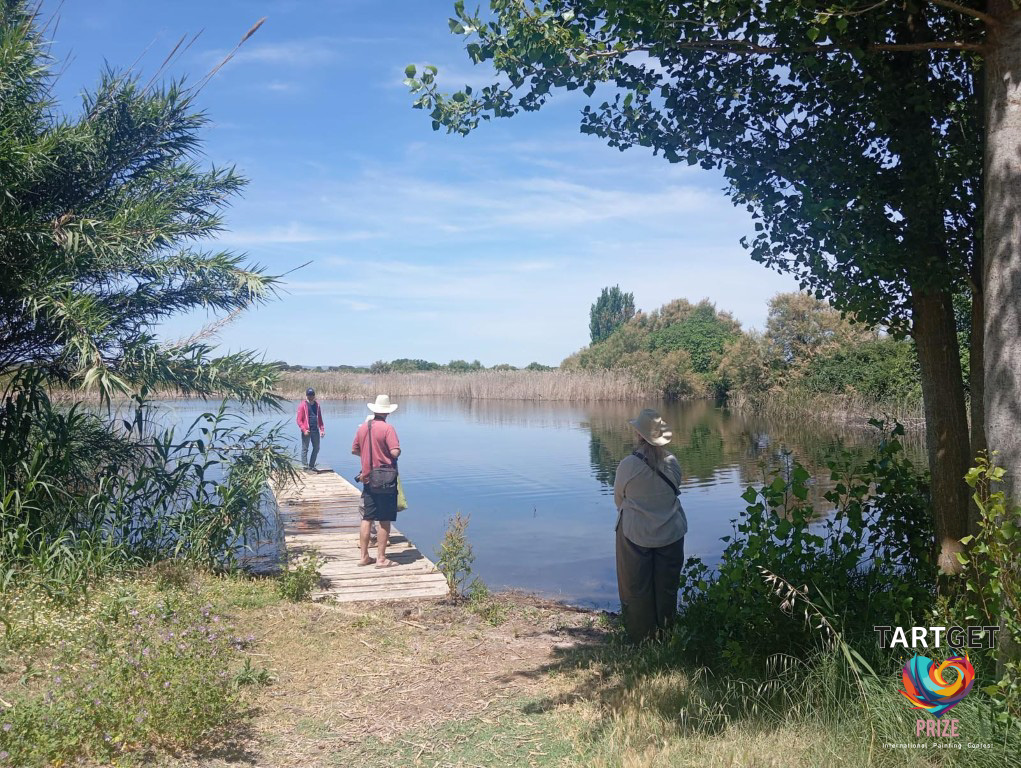
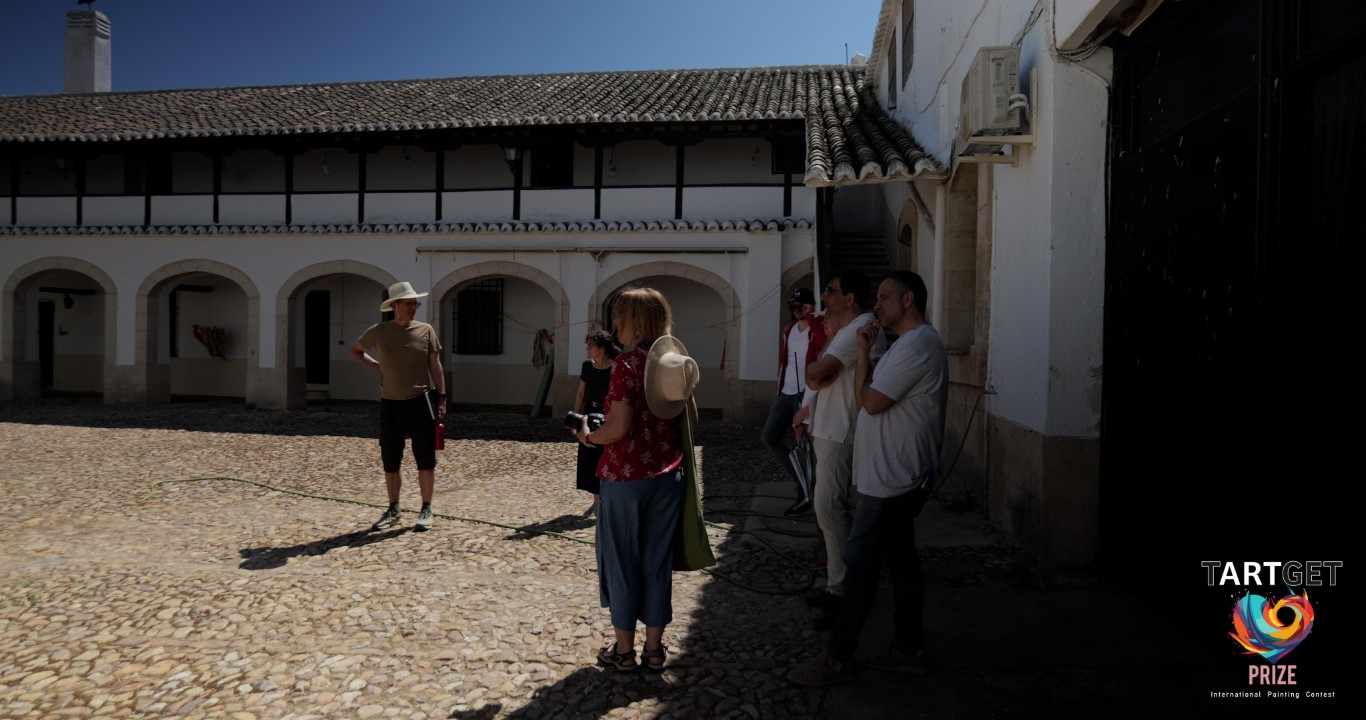
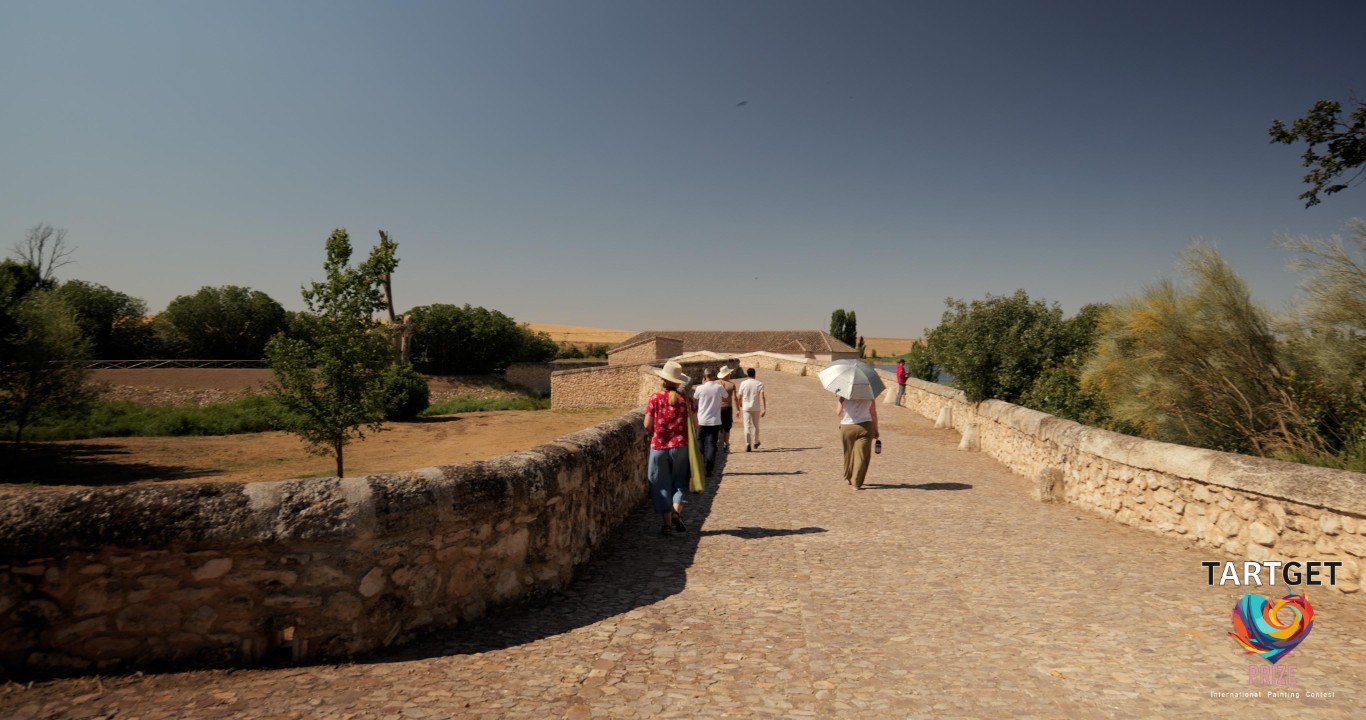
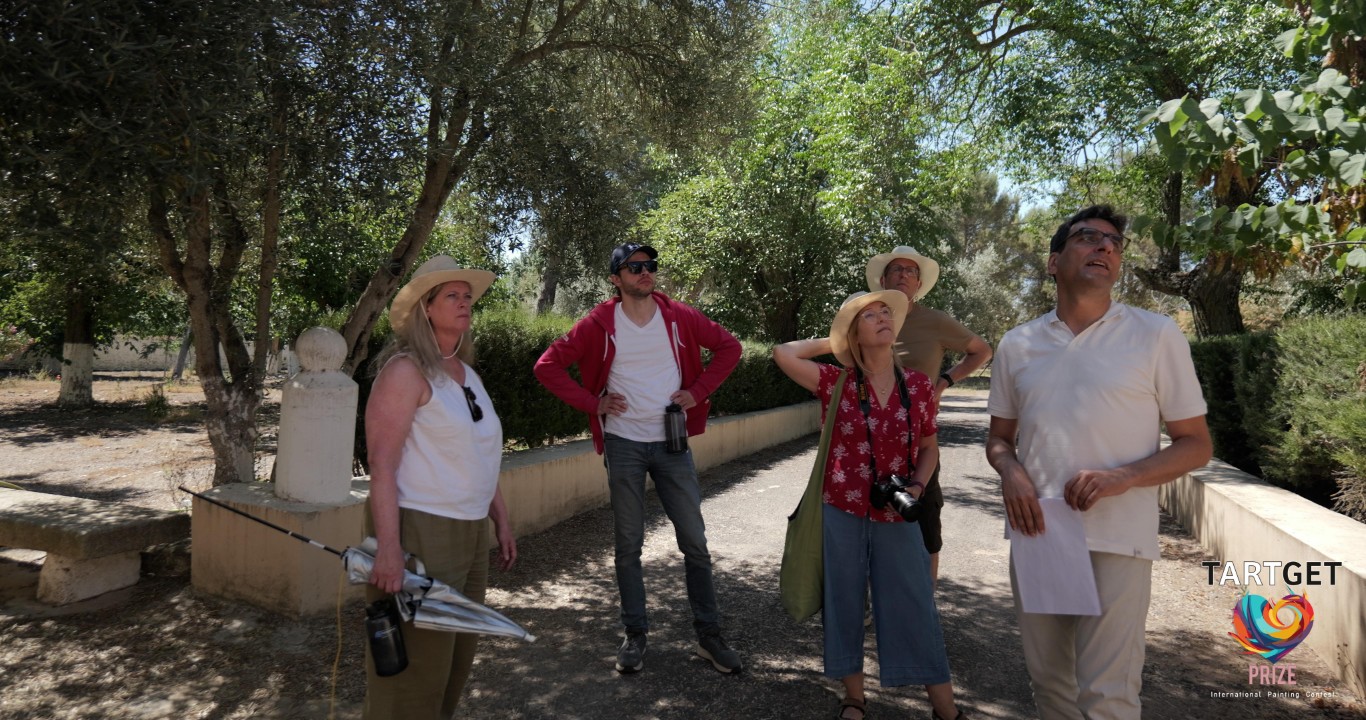
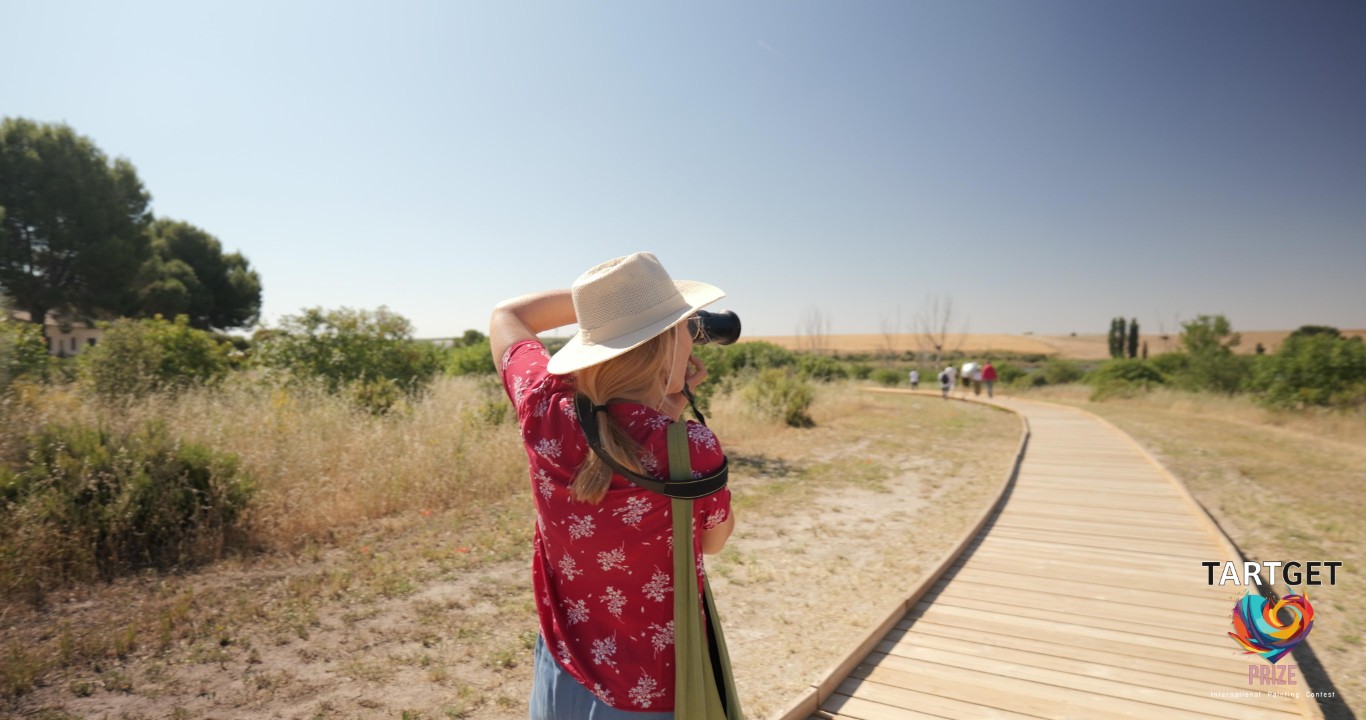
Because it is impossible to speak about a landscape without understanding what has shaped it, the artists explored the National Park’s trails, learned about its history, listened to biodiversity specialists, discovered the complex relationship between water, peat soils and ecosystem conservation, and explored the cultural heritage surrounding Las Tablas de Daimiel.
The residency was conceived as a fully immersive experience.
A key role in this process was played by Alberto Celis, professor at the University of Seville and researcher, who provided historical, environmental and ethnographic context for the territory. His contributions allowed the artists to discover that Las Tablas de Daimiel is far more than a protected area: it is a place where nature, history and human activity have coexisted for centuries.
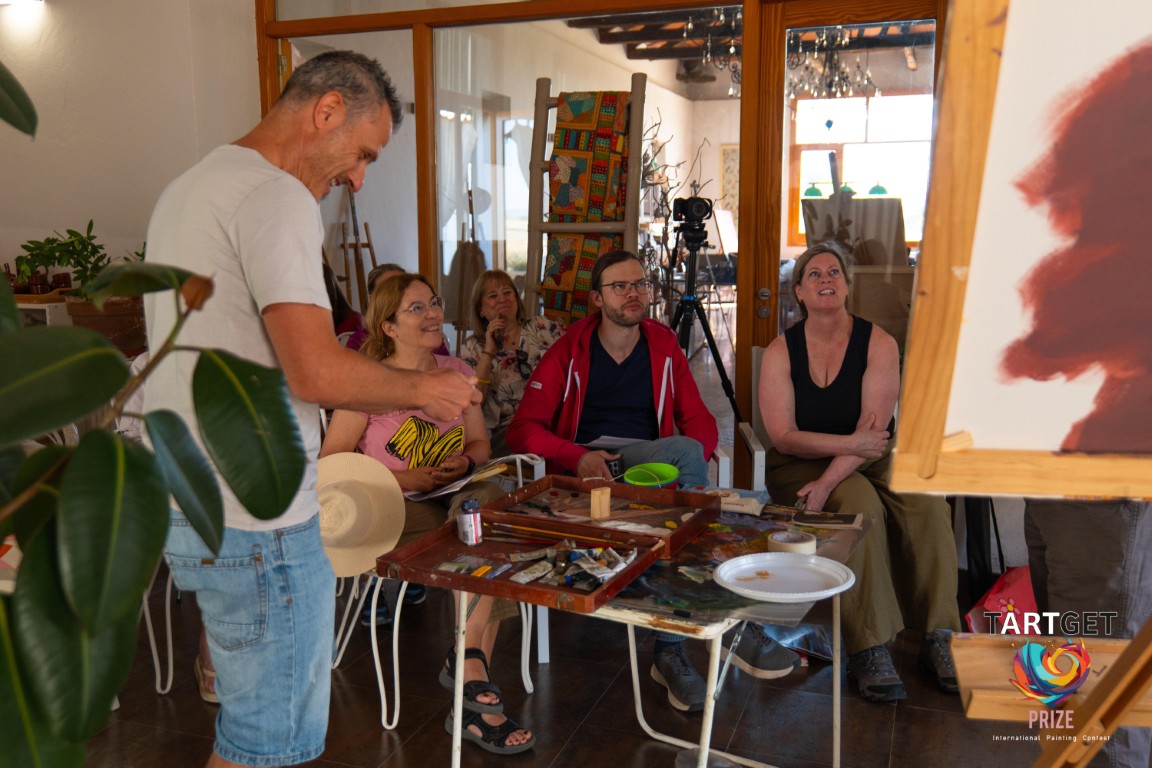
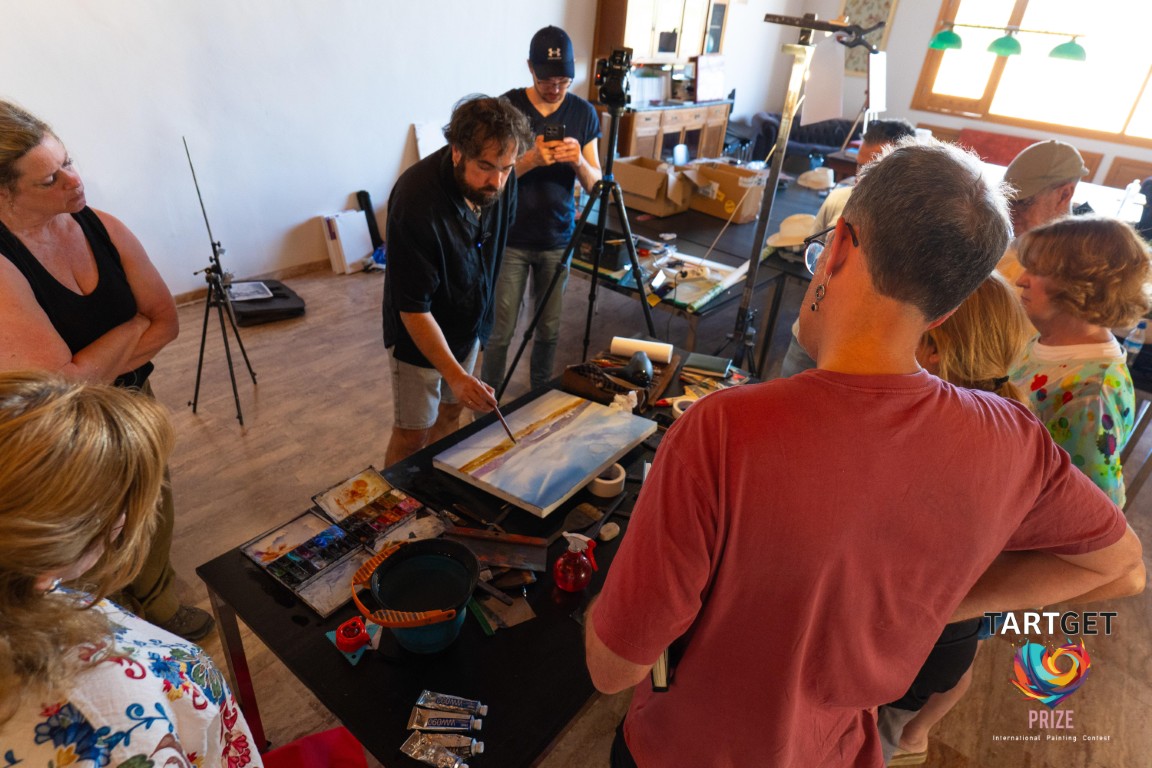
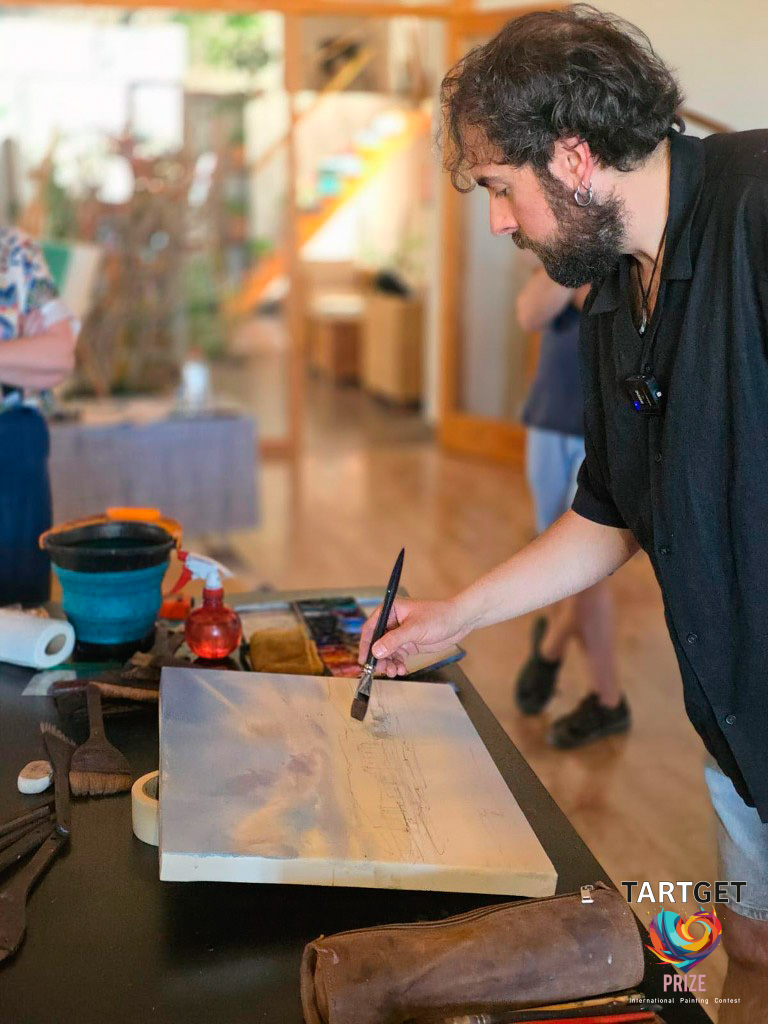
This research dimension was complemented by two workshops led by leading Spanish plein air painters. Feliciano Moya shared his experience in oil and pastel painting, while Juan Saturio conducted a specialized session focused on watercolor and landscape painting.
Rather than conventional masterclasses, both sessions became opportunities for the exchange of knowledge between different generations, artistic styles and approaches to painting.
Casa de La Duquesa:
A Unique Studio
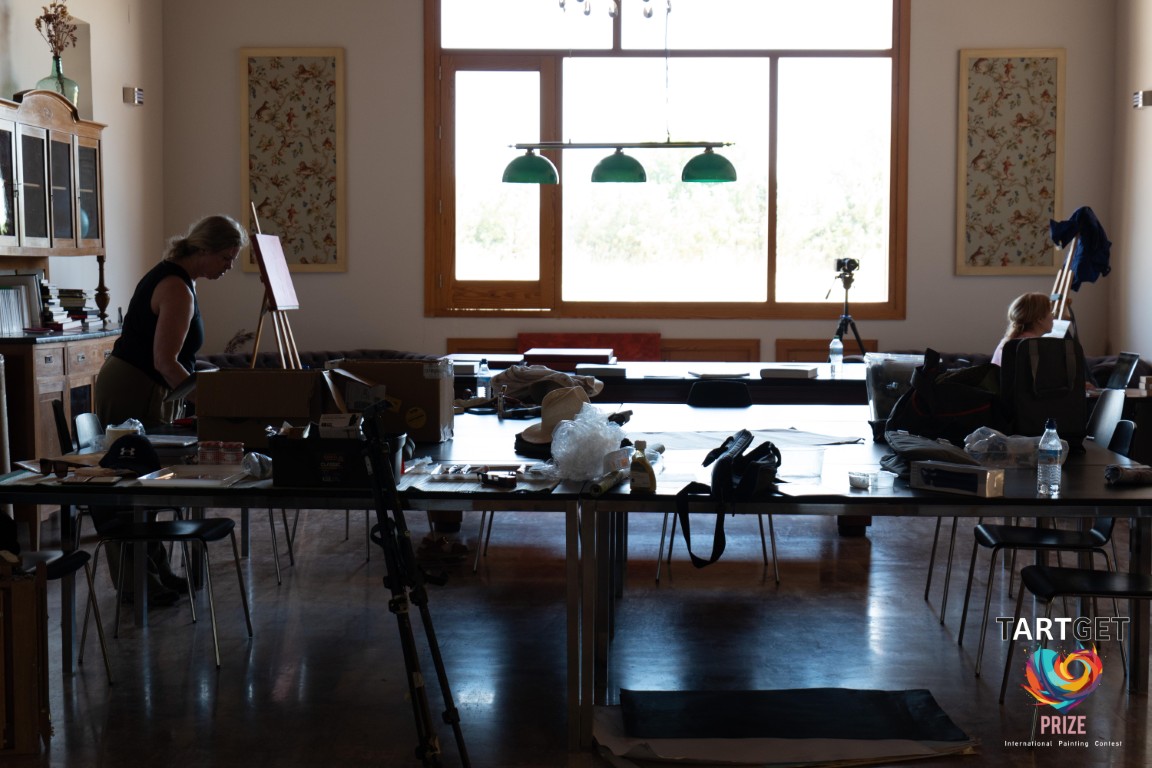
The residency studio was established within the National Park itself.
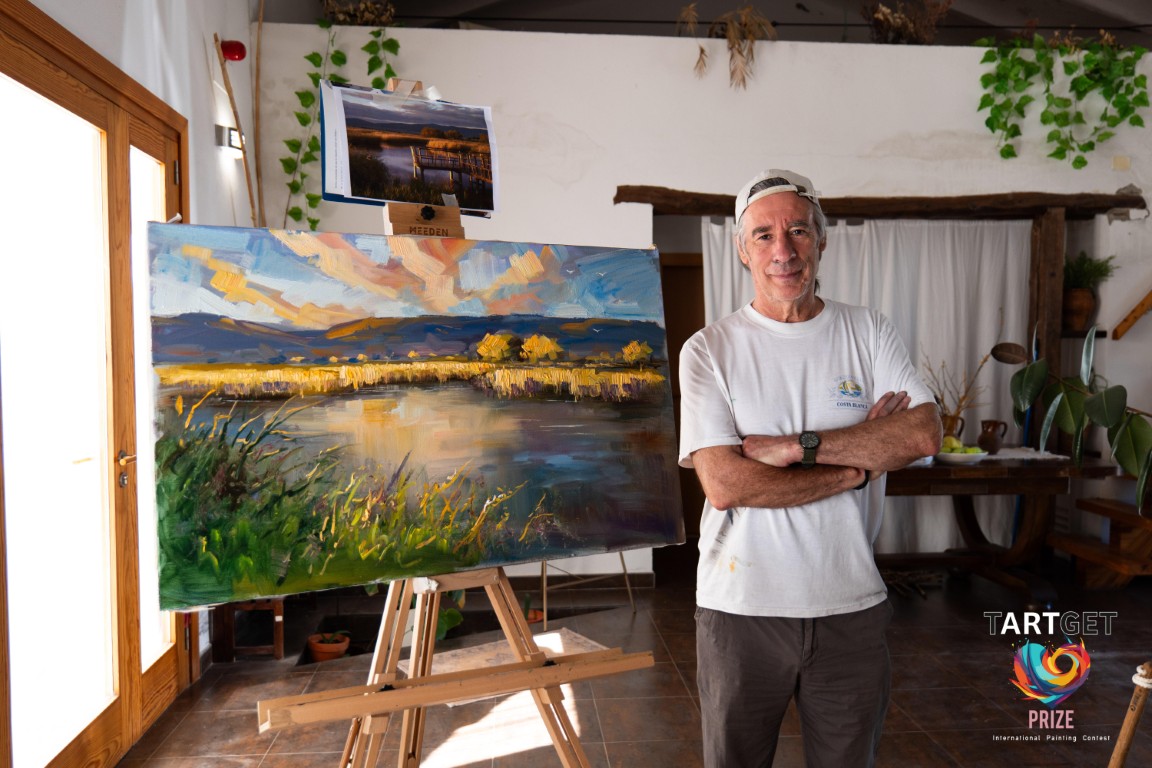
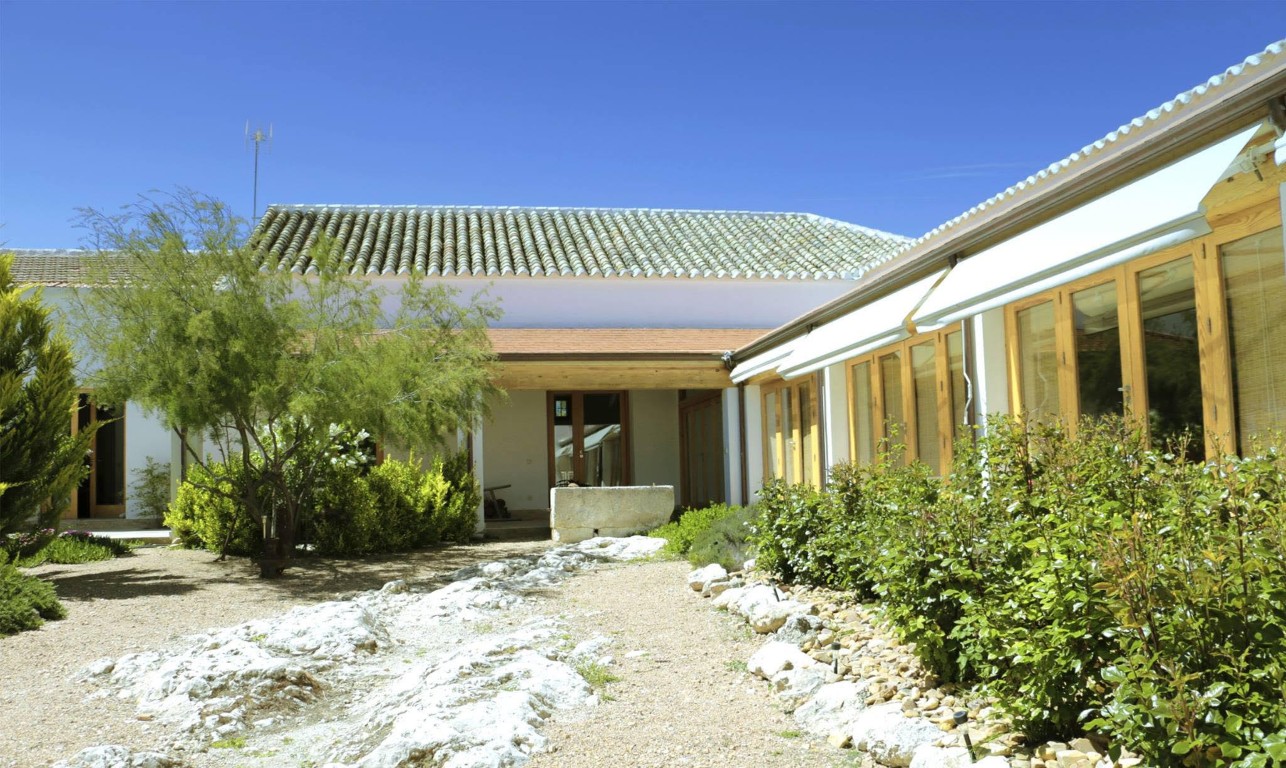
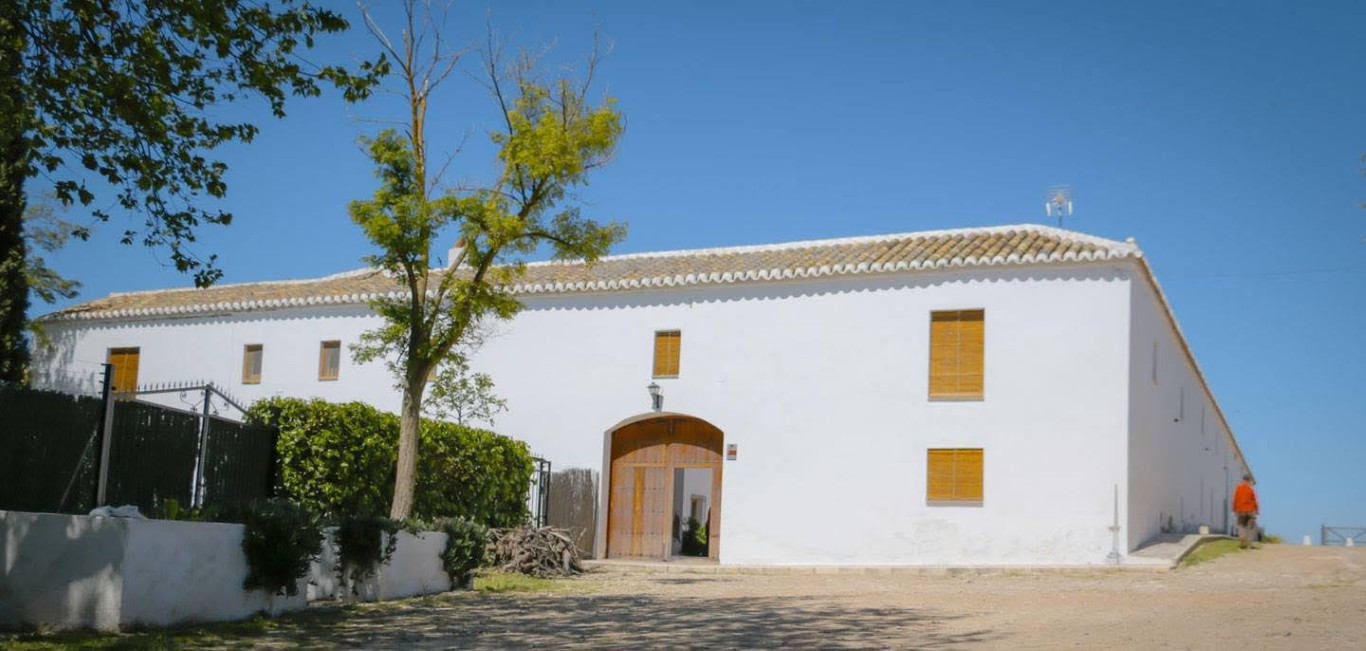
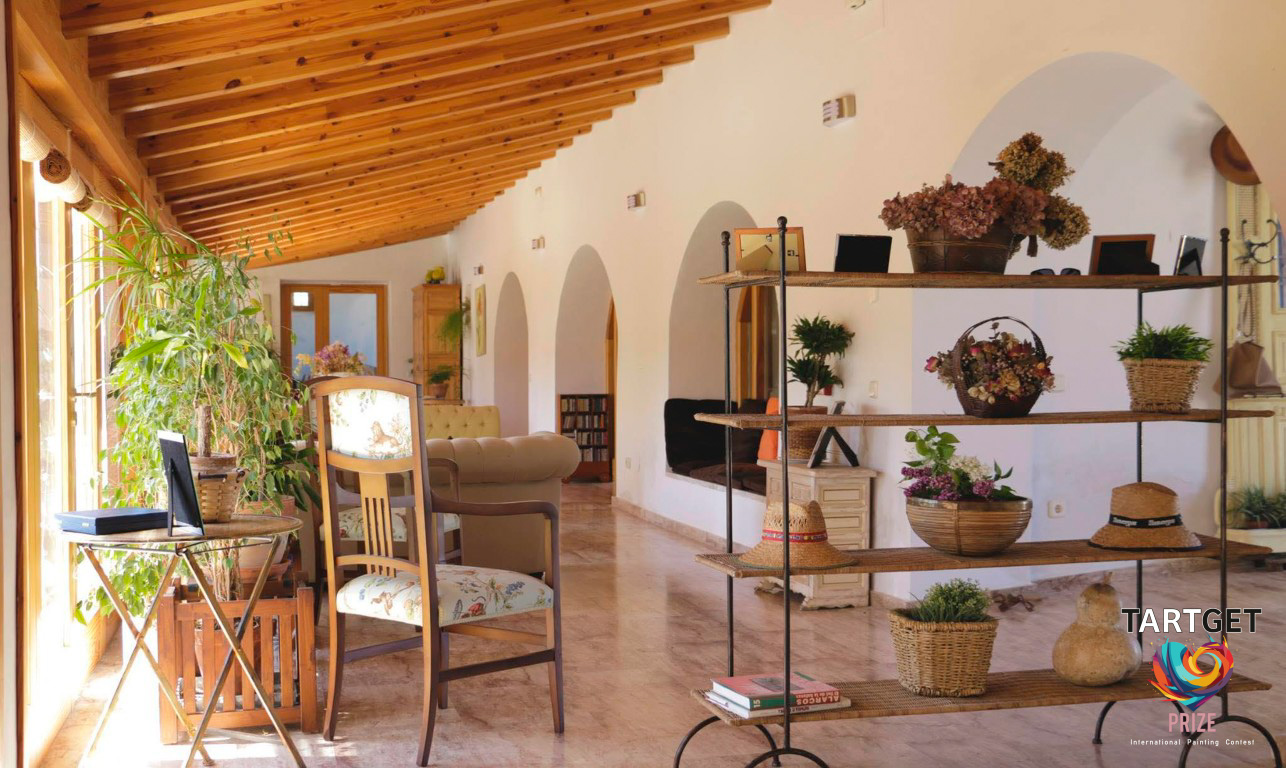
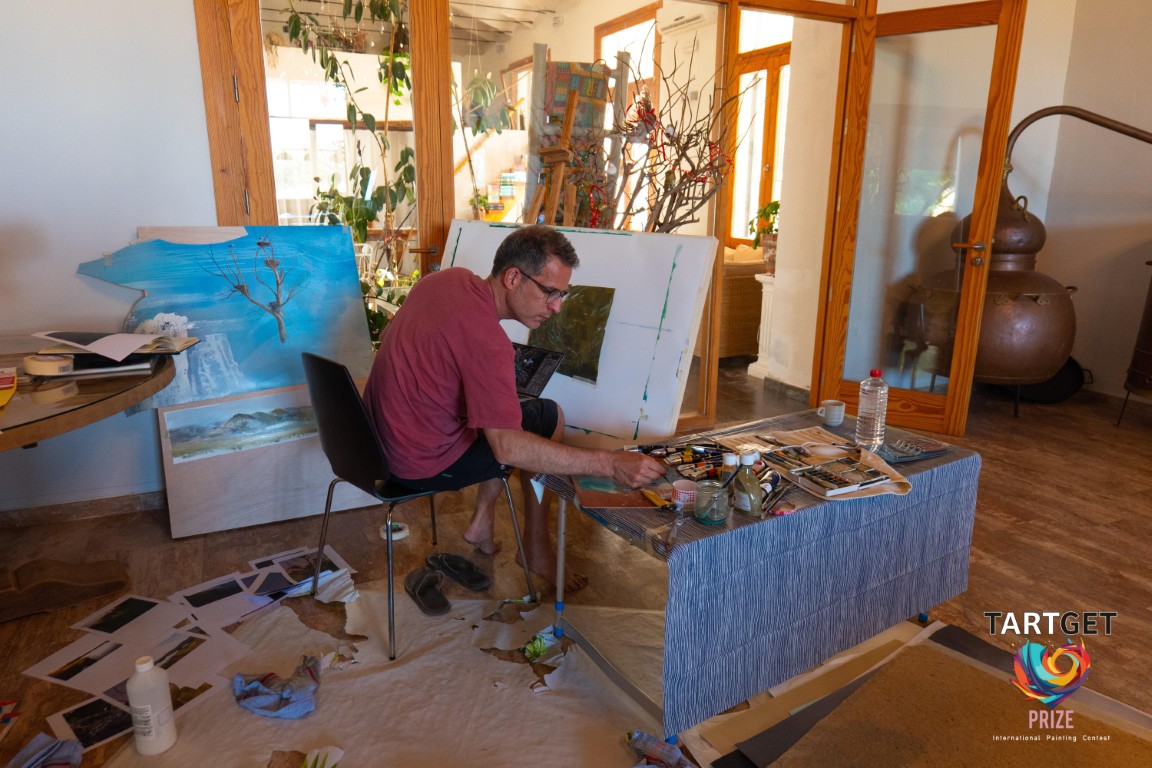
For nearly two weeks, Casa de la Duquesa ceased to be merely a historic building and became the true creative heart of the residency. The structure preserves the façades and internal layout of the farmhouse built in the 1860s by the Duke of Sevillano. Its restoration in 2011, directed by architects Mario Muelas and Agustín Mateo, created an exceptional retreat for artistic creation.
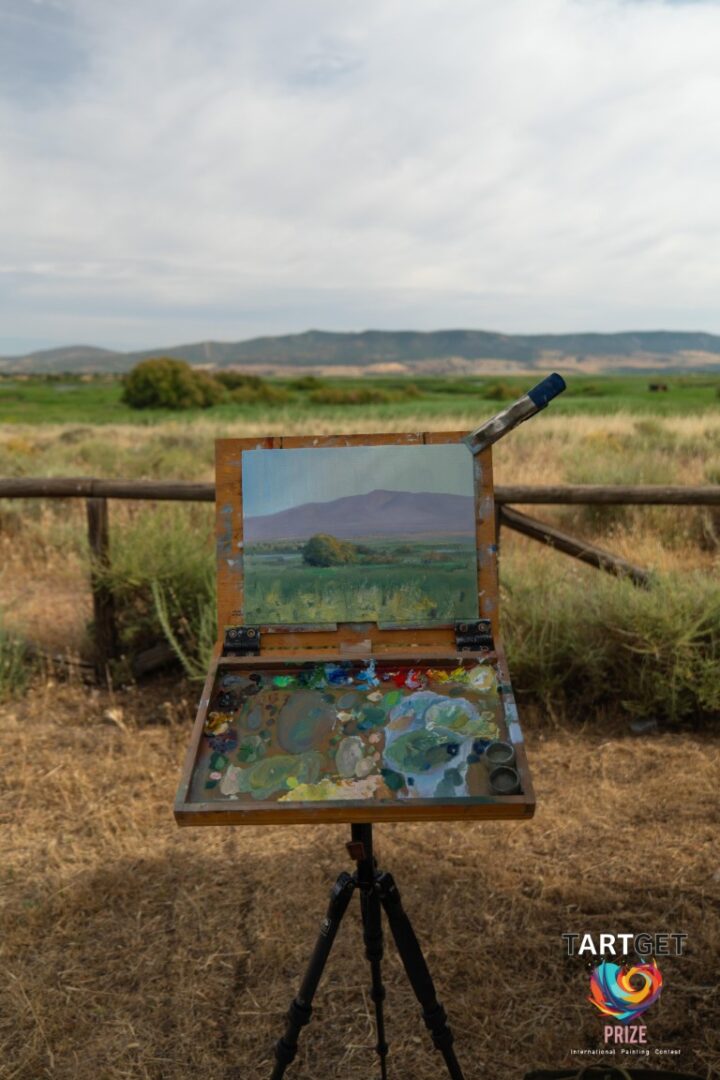
Located beside the iconic Molemocho Watermill and respectfully integrated into the landscape, the building offered artists in June 2026 a sanctuary of concentration from which they ventured daily to some of the National Park’s most representative locations.
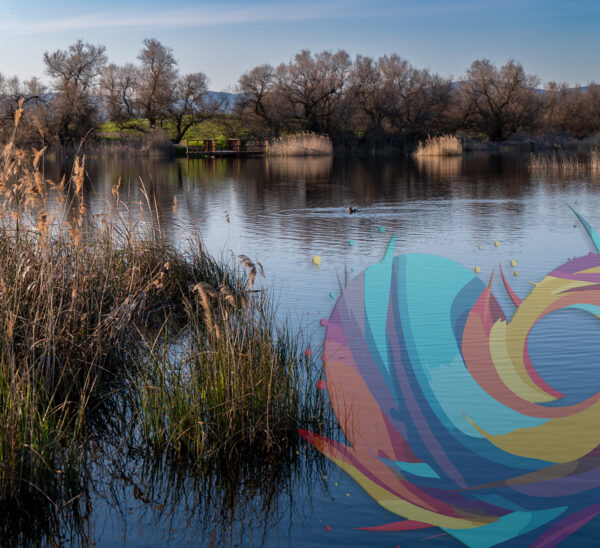
The Guadiana River. Isla del Pan. Prado Ancho Tower. La Entradilla.
Every day began differently because the landscape was never exactly the same. Light transformed the water from hour to hour. Vegetation altered its colours. Birds changed the rhythm of the place.
And silence—that impossible element to paint—eventually became one of the invisible protagonists of many conversations.
Four perspectives
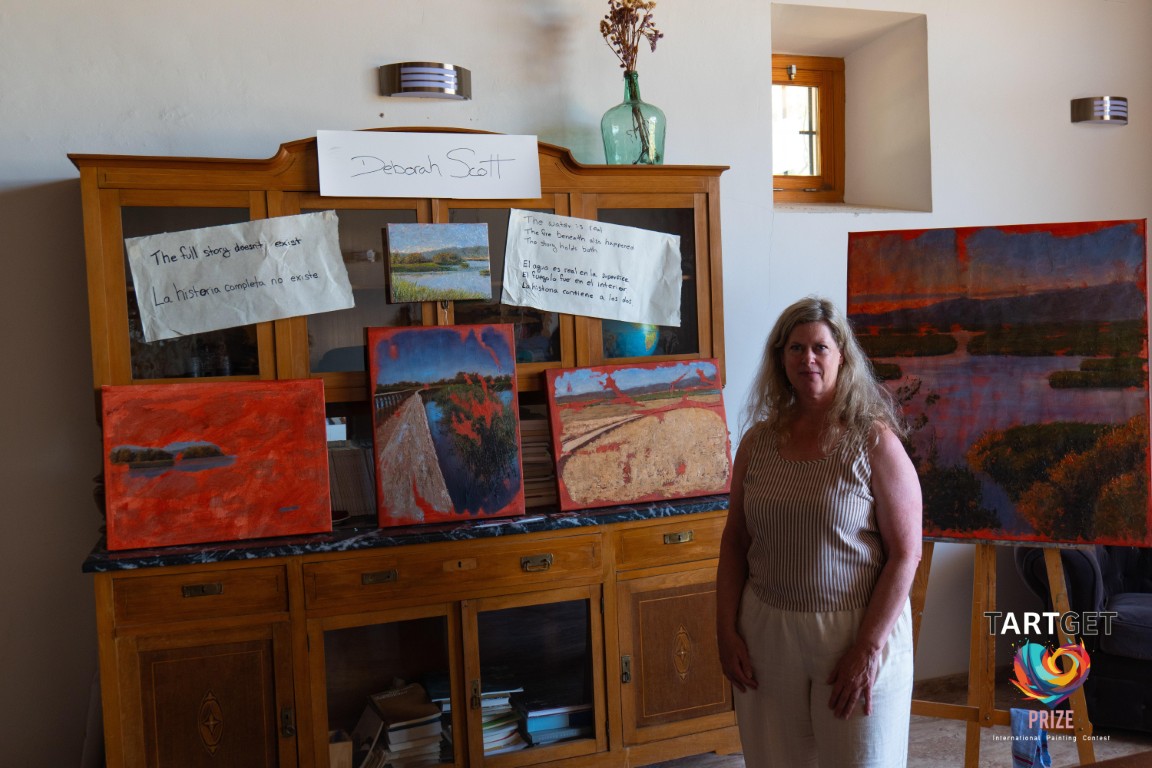
American artist Deborah Scott arrived in Daimiel with an international career shaped by investigations into perception, memory and knowledge.
For the residency, she used iron oxide grounds to construct a powerful visual metaphor exploring the tension between water and fire, evoking both the history of the peat soils and the extraordinary ecological fragility of the wetland.
Her project ultimately received the Special Award “Art and Nature: Las Tablas de Daimiel”, granted by the organization to one of the four projects developed during the residency.
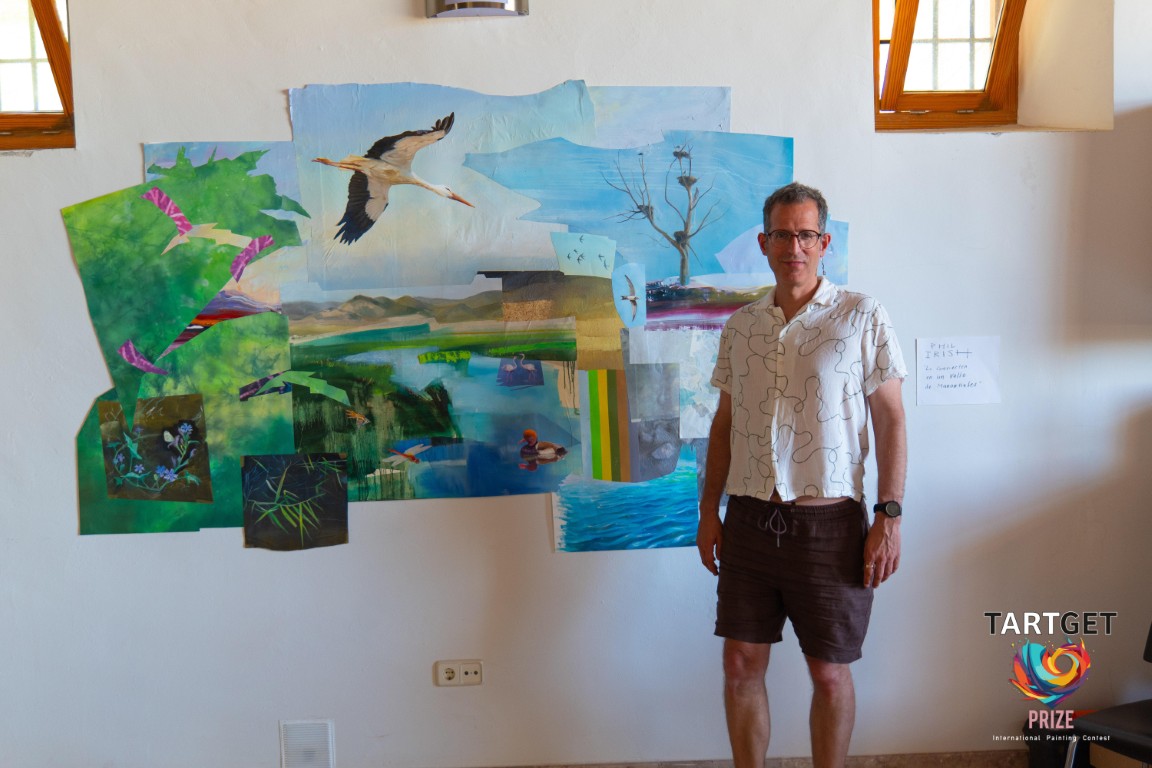
Canadian artist Phil Irish, who had previously participated in artistic residencies in the Arctic, approached the landscape from a perspective deeply connected to contemporary ecology.
His processes of image fragmentation and reconstruction became a reflection on the vulnerability of aquatic ecosystems and the need for responsible water management.
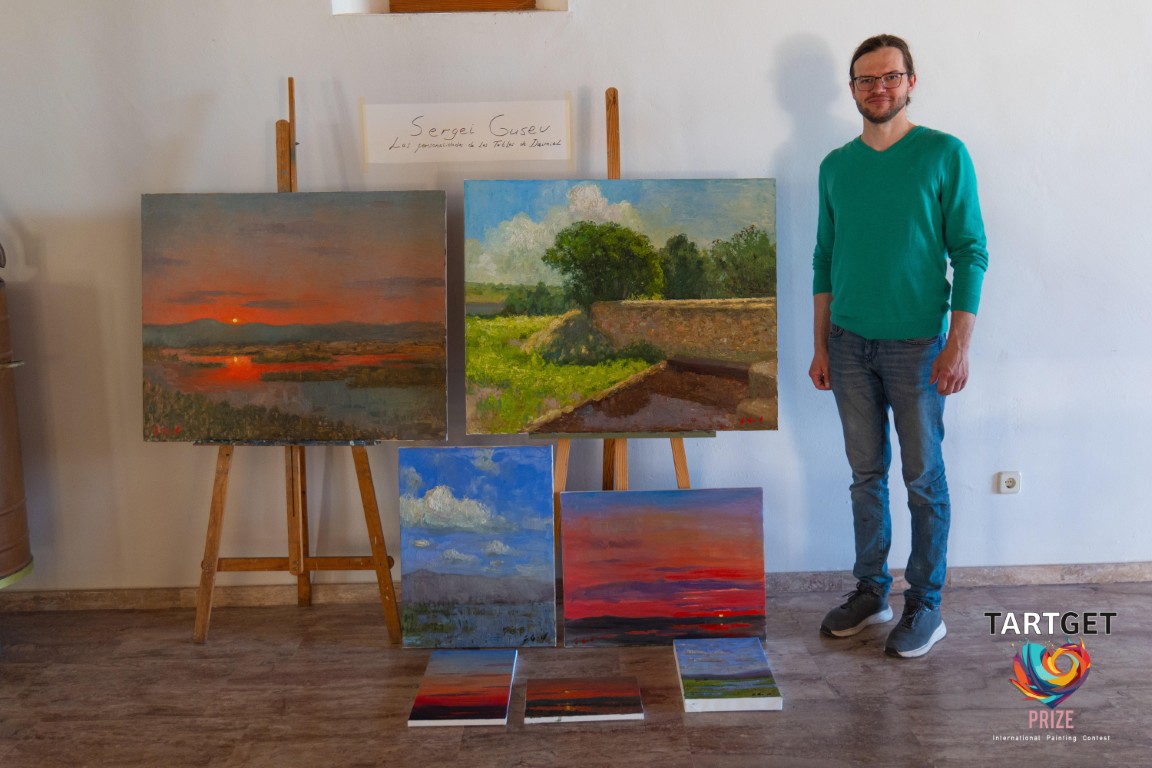
Sergei Gusev, trained with honours at the prestigious Repin Academy in Saint Petersburg, offered a different approach.
His paintings demonstrate how the academic tradition remains a fully relevant tool for interpreting contemporary landscapes, emphasizing the beauty and heritage value of protected natural environments.
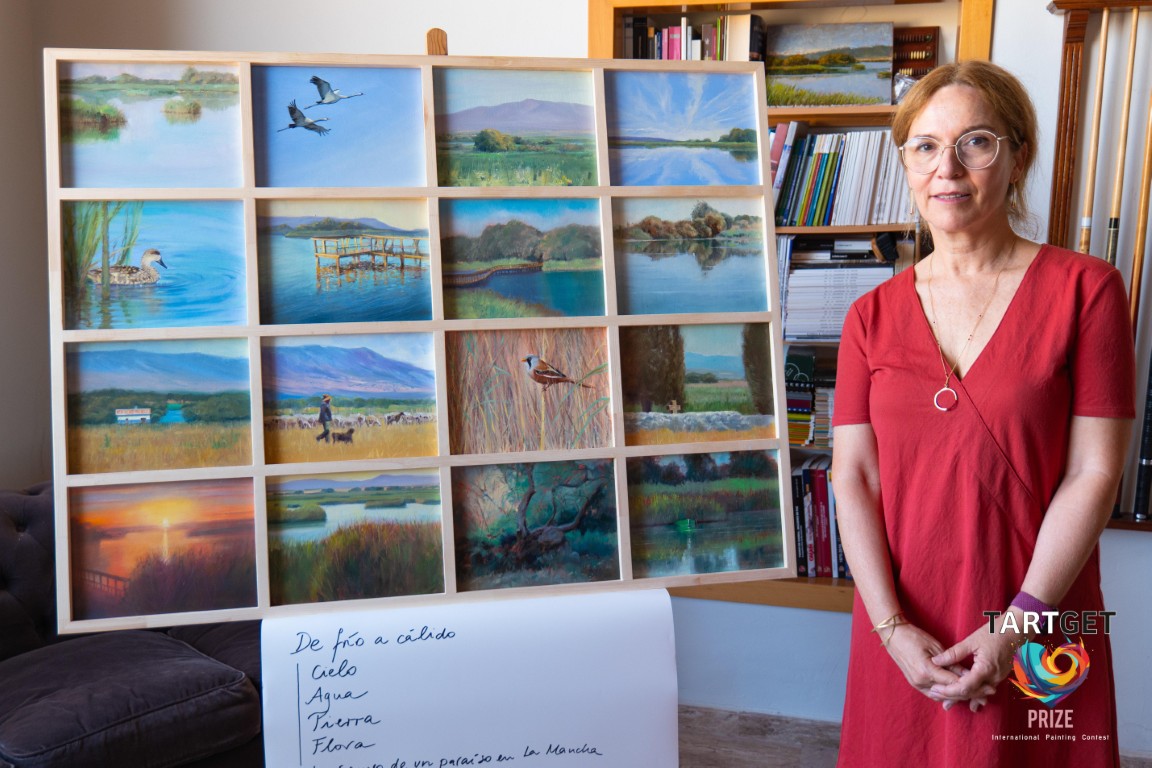
Spain was represented by Elsa González Zorn, a specialist in plein air painting.
Her work during the residency was characterized by a patient observation of atmosphere, light and chromatic changes within the wetland, resulting in paintings deeply connected to the direct experience of the landscape.
Four artists. Four visual languages. One territory transformed into a source of inspiration.
The jury
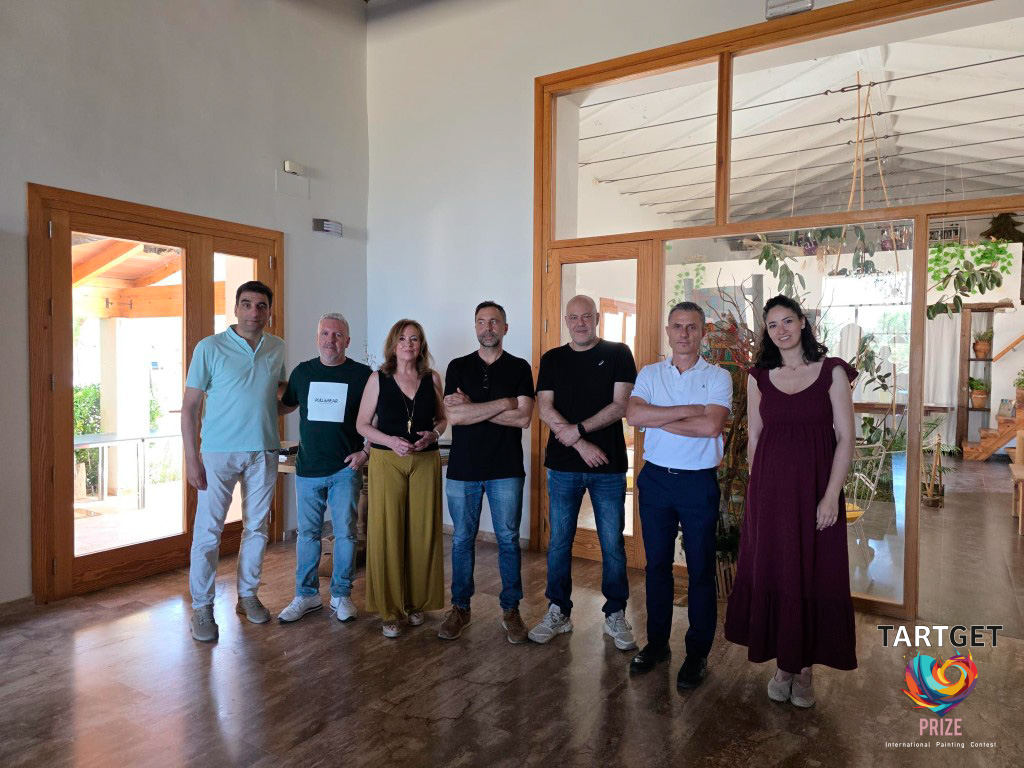
Selecting a single winning project proved especially difficult, and the jury ultimately had to resort to a casting vote to decide the recipient of the Special Award “Art and Nature: Las Tablas de Daimiel”, which was ultimately awarded to Deborah Scott.
However, the exceptional quality of all four projects led the organization to take a decision not originally foreseen in the residency guidelines.
At least one work by each artist, created during the residency, will be included in the official TARTGET PRIZE 2026 exhibition and catalogue.
This decision becomes even more significant when considering that these works will be exhibited alongside the Top 100 selection of the competition, chosen from nearly 2,100 artworks submitted from 85 countries.
As a result, Las Tablas de Daimiel will be fully represented within the Anselma and Lafón galleries of the Ateneo de Madrid.
The exhibition will open on September 18th, just steps away from the Prado Museum, on the same evening that the awards ceremony takes place.
It will provide an extraordinary opportunity for thousands of visitors to discover, through contemporary art, one of Europe’s most valuable natural spaces.
In a sense, the paintings will continue the journey begun by their creators: carrying the landscape beyond its borders, transforming a wetland in La Mancha into a universal narrative.
Demonstrating that contemporary artistic creation can also serve as a tool for conservation, education and intercultural dialogue.
Much more than four paintings
When an artist residency ends, the artworks often become its most visible outcome.
At TARTGET PRIZE, however, something more remains.
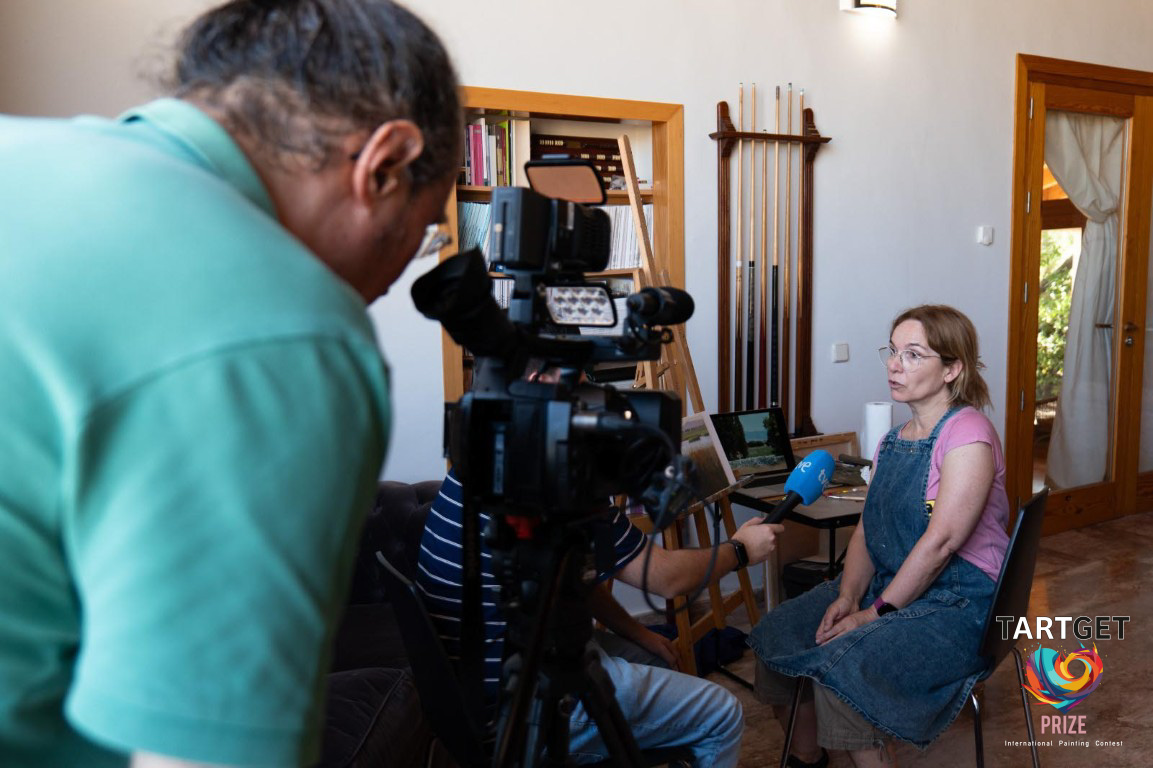
The experience in Daimiel leaves behind hundreds of photographs, interviews and more than fifty hours of audiovisual recordings that will document the entire creative process and form the basis of a future documentary about the residency.
This archive constitutes a collective memory of the project and will reveal how an artwork begins long before it reaches the canvas.
The value of a residency lies not only in the finished paintings, but also in the conversations, shared journeys, doubts, discoveries and small decisions that ultimately shape an artistic vision.
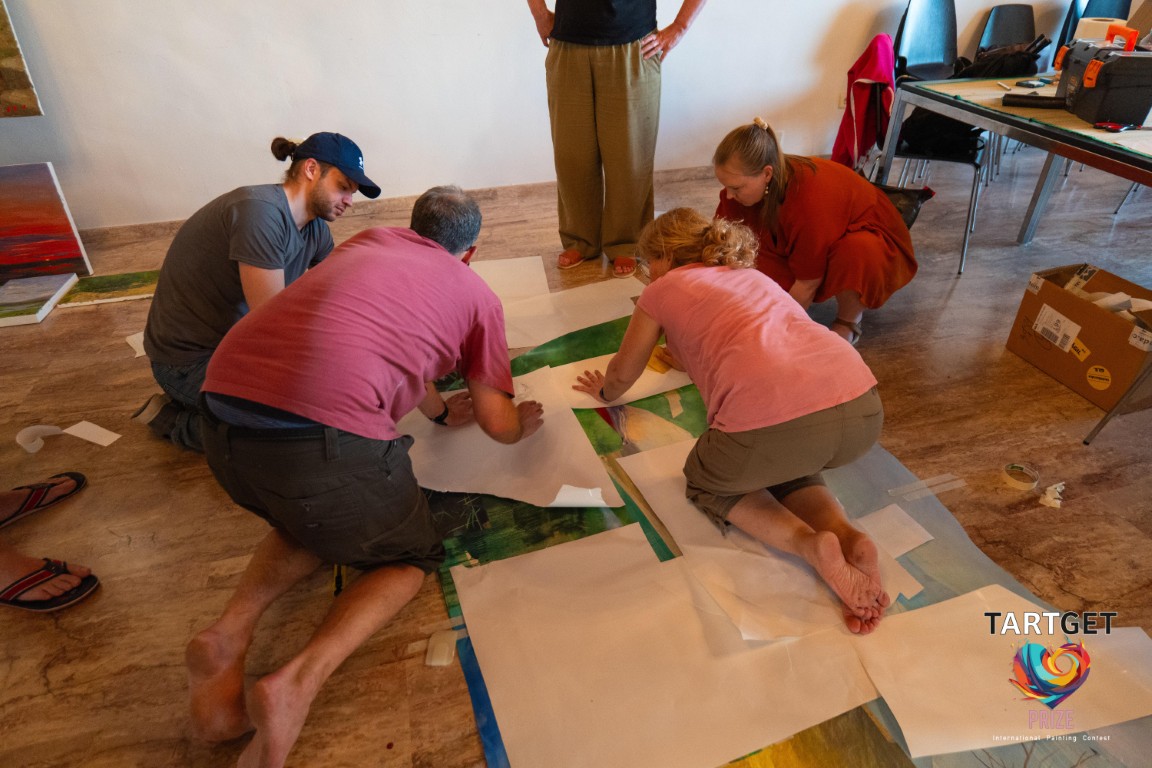
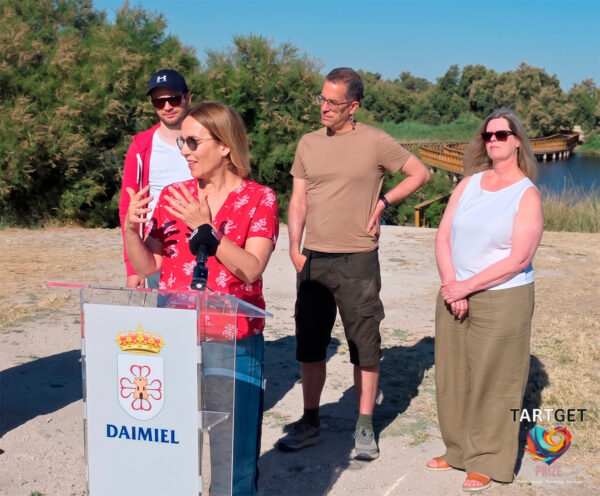
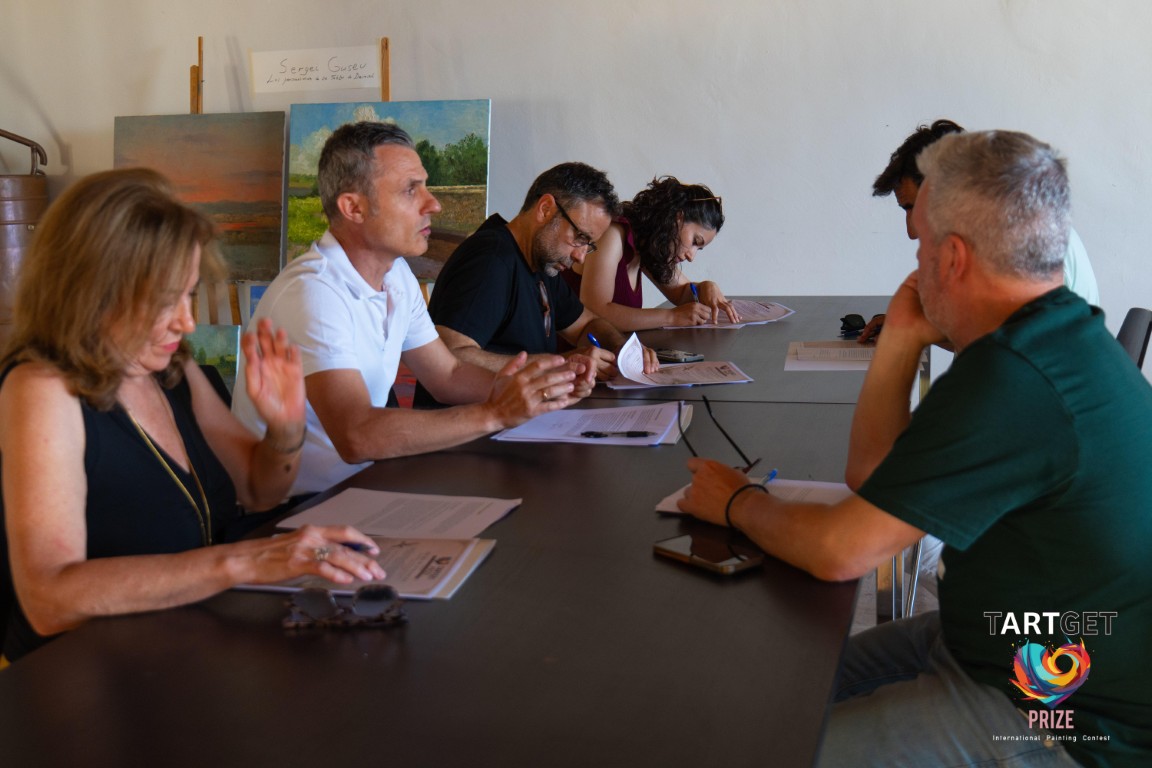
On June 2nd, from the comfort of a lounge at Hotel Doña Manuela, TARTGET PRIZE Director Juan Francisco Gómez-Cambronero addressed the four artists with a challenge:
“Step outside your comfort zone. Observe, ask questions and reflect. You have been chosen because we are looking for something different, something special.”
How can painting help us understand an ecosystem?
What new narratives can art generate about natural heritage?
How does a shared experience between artists from different countries transform the way we perceive a territory?
The first International Residency “Art and Nature: Las Tablas de Daimiel” has begun to answer those questions.
And it has done so in a place where water, light and silence continue to remind us that nature is the original master of art.